

Japanese Handmade Glass Cups and Small Bowls for Sake Evenings
Handmade Japanese glass cups, a tulip glass and small bowls by a Saitama glass artist: choosing, sizes, prices, care, and ordering from abroad via Buyee.

One piece from each maker, each showing the skill and materials behind it.
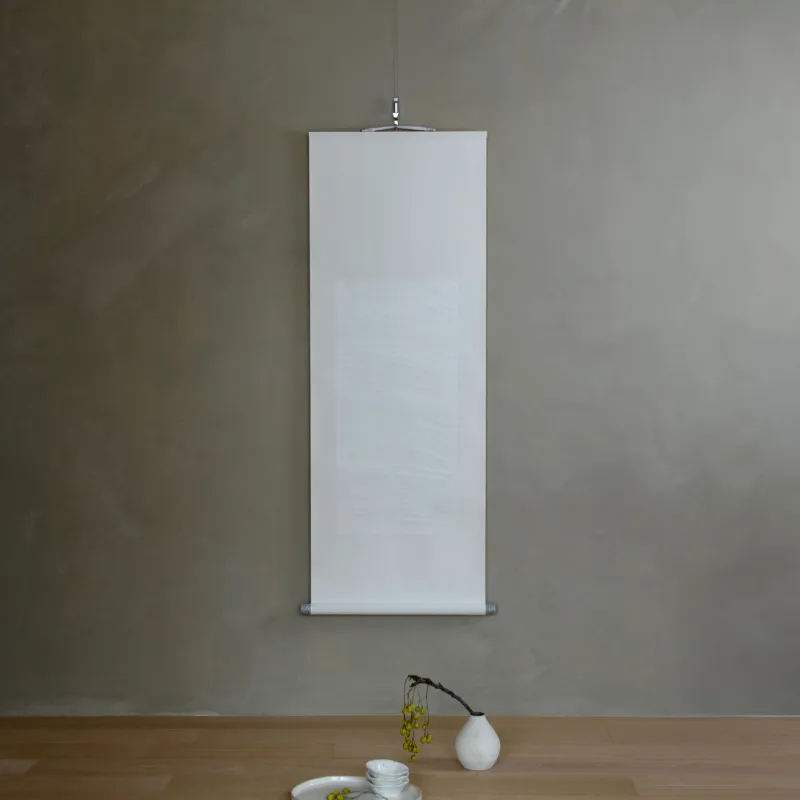
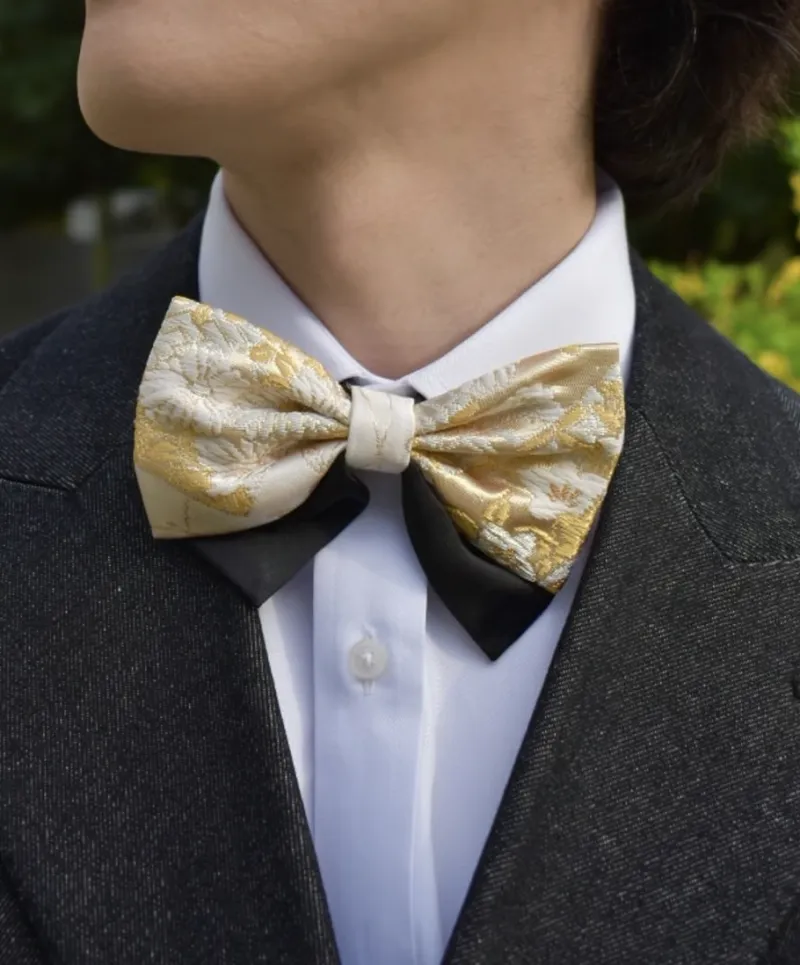
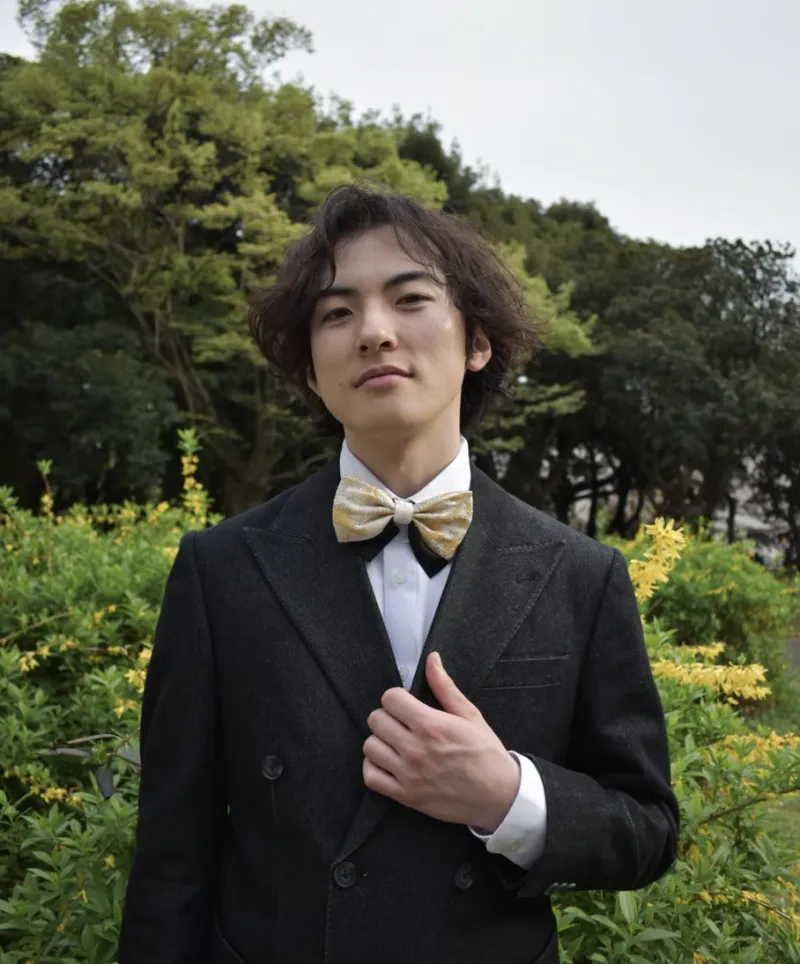
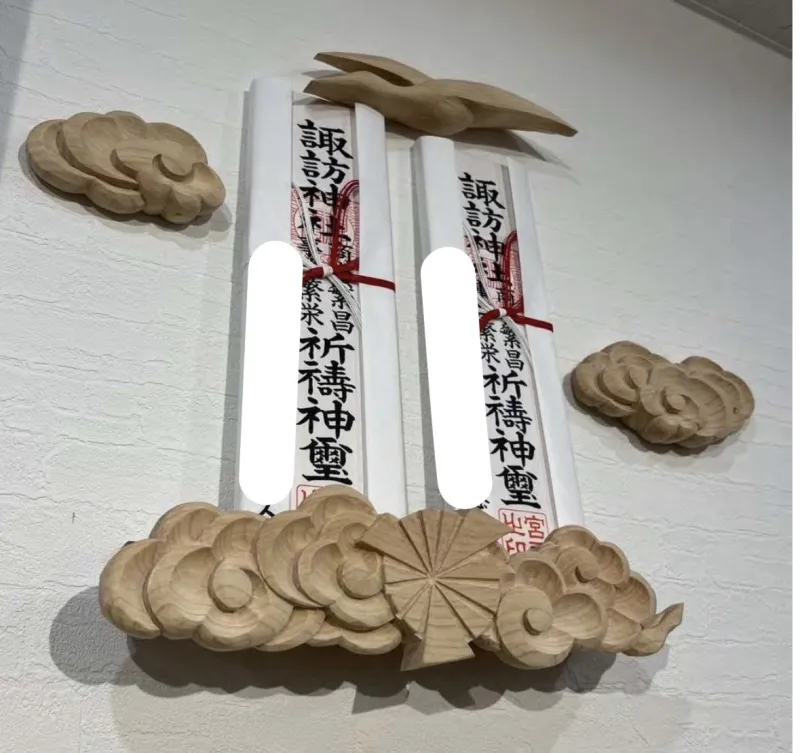
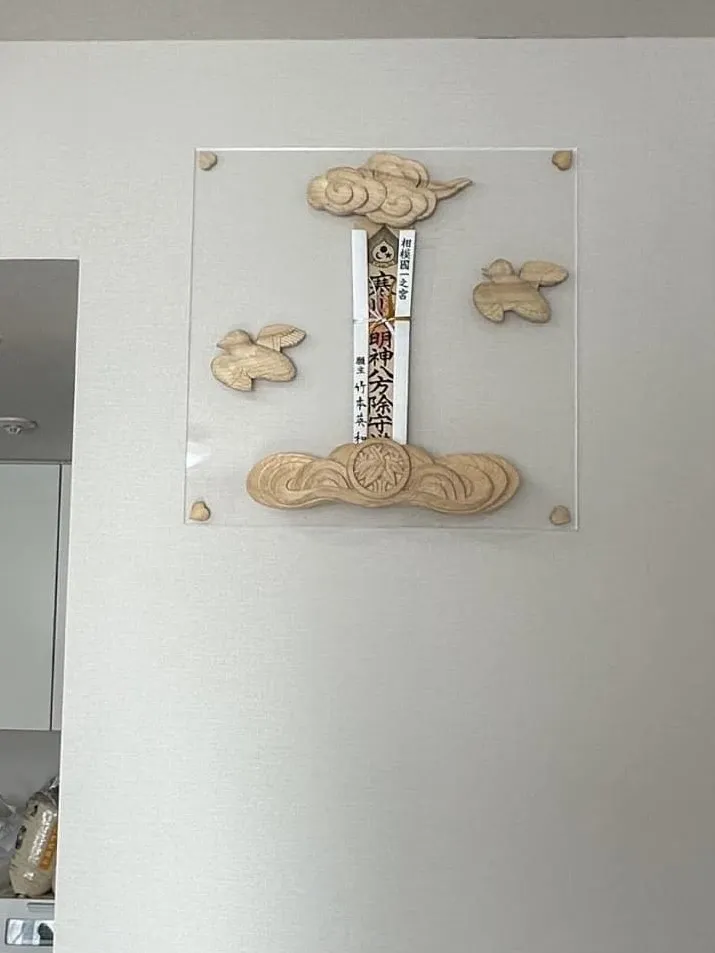
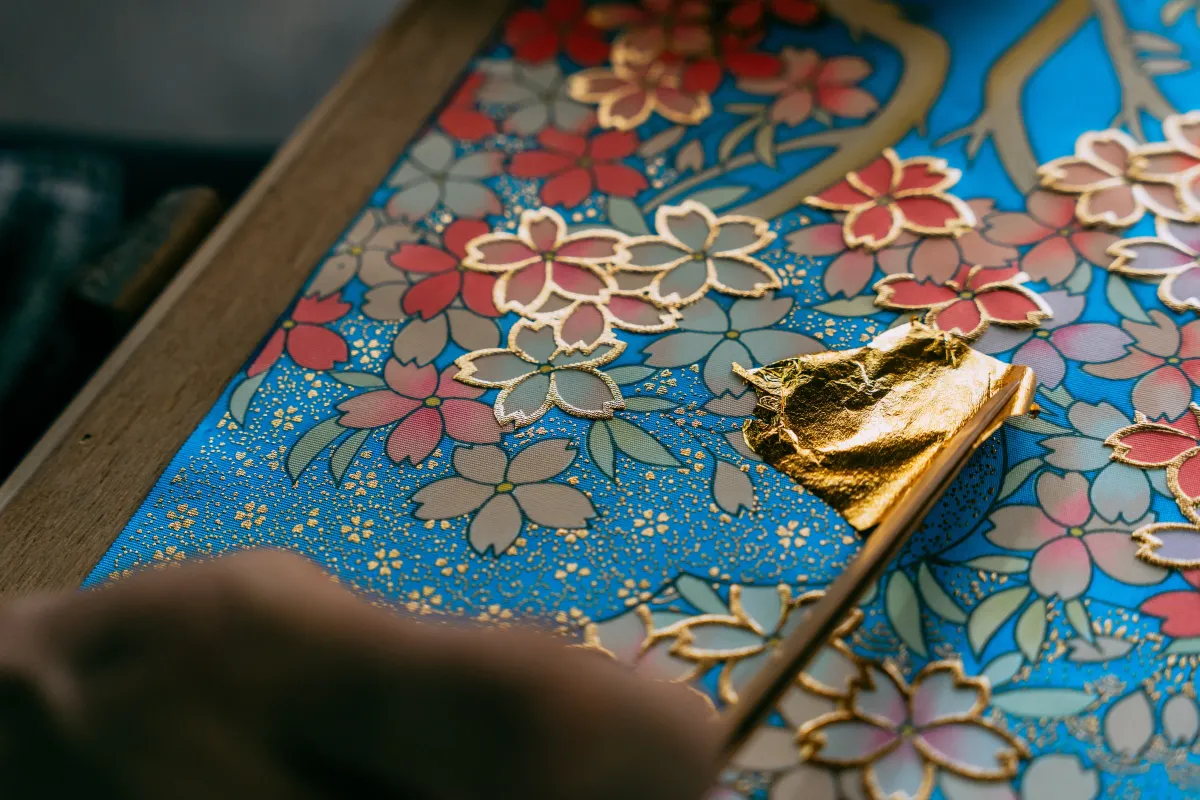
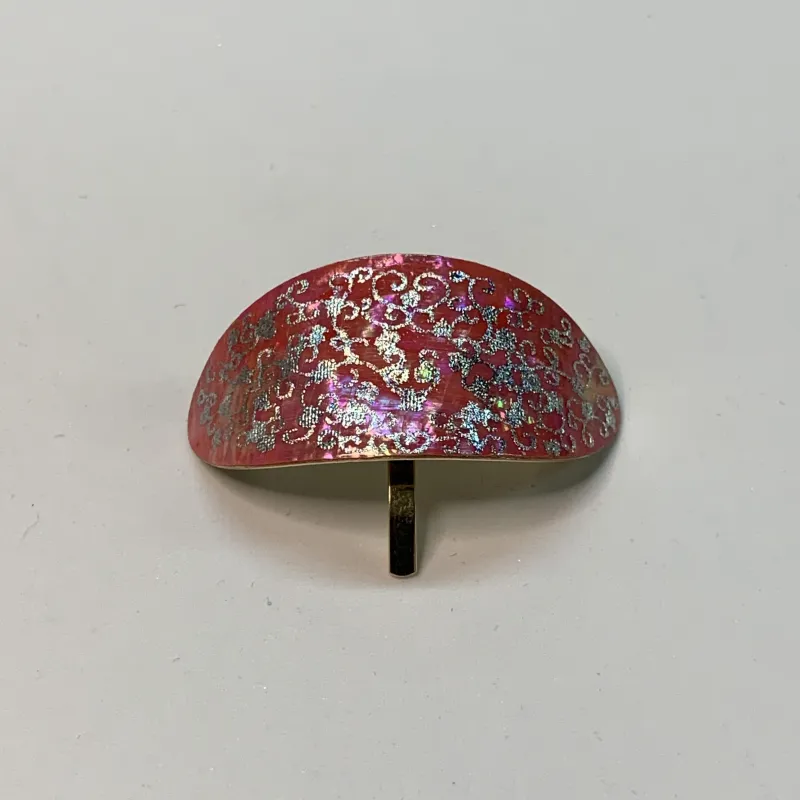
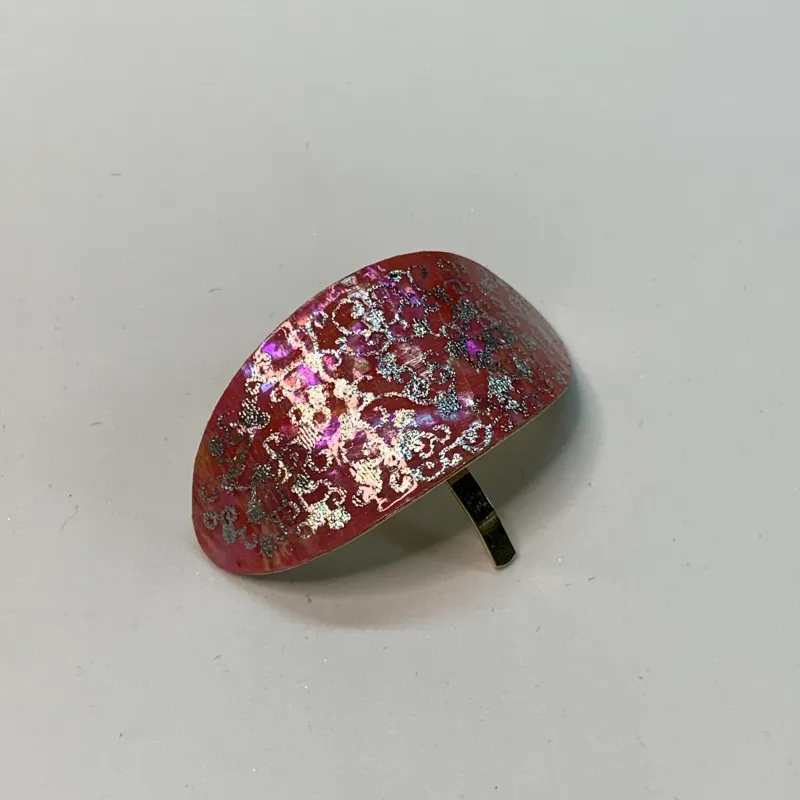
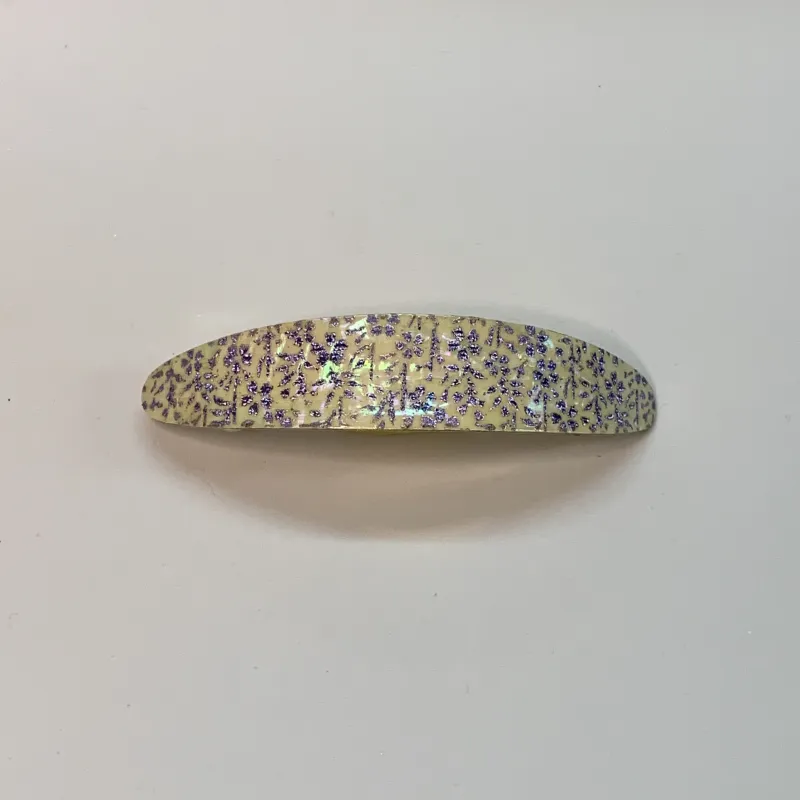
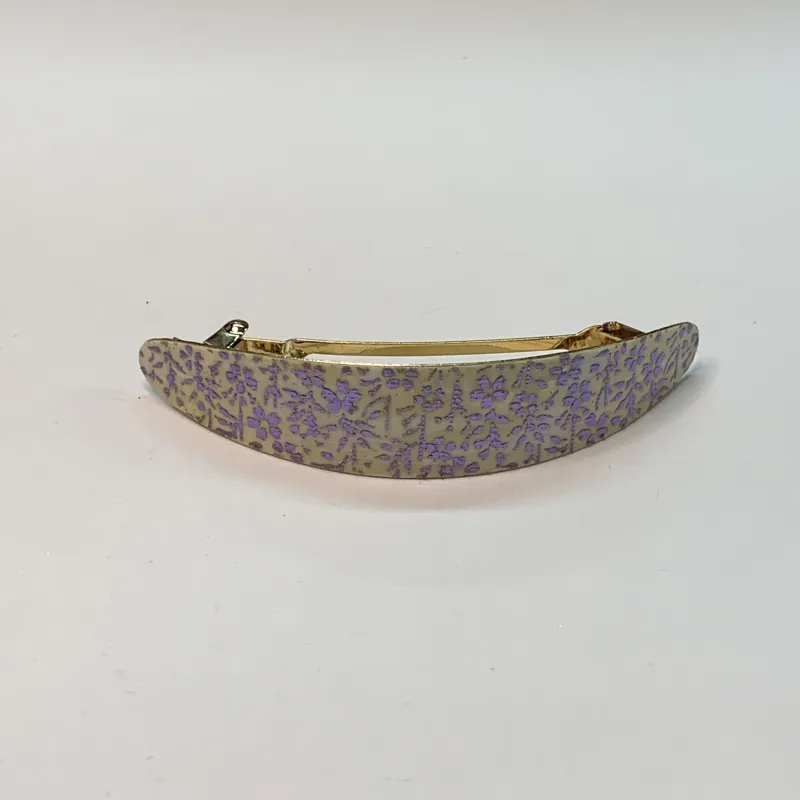
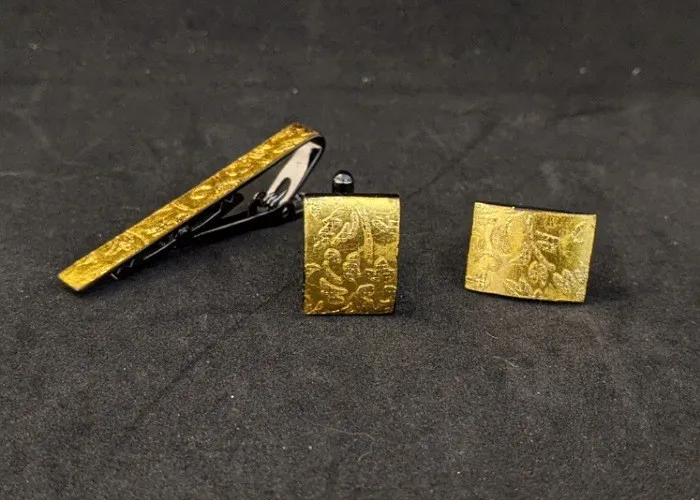
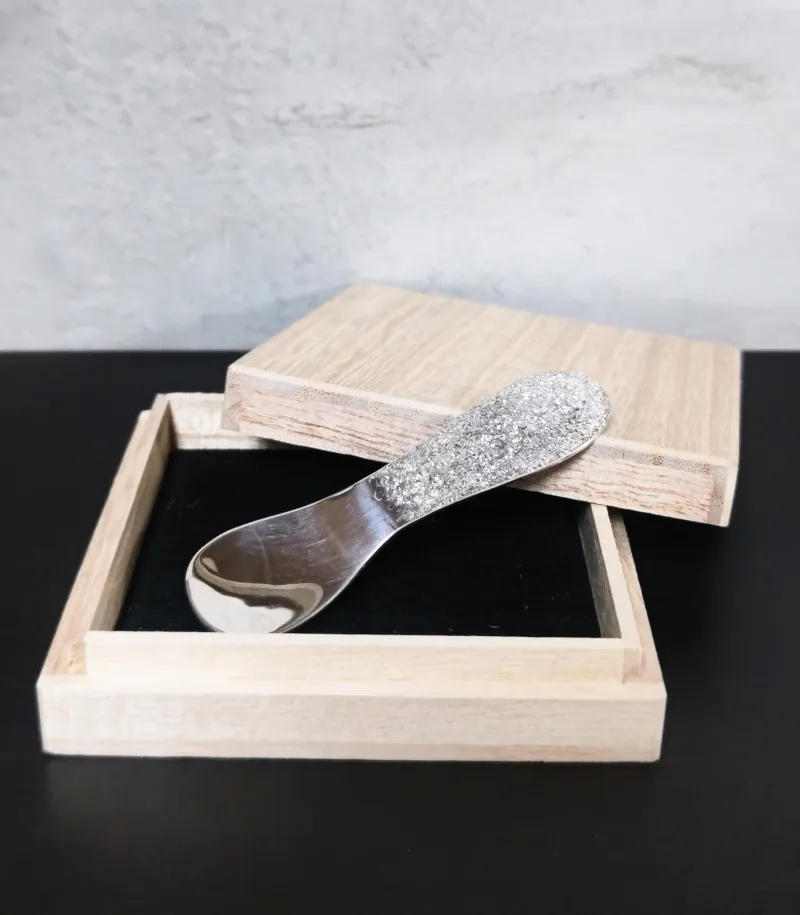
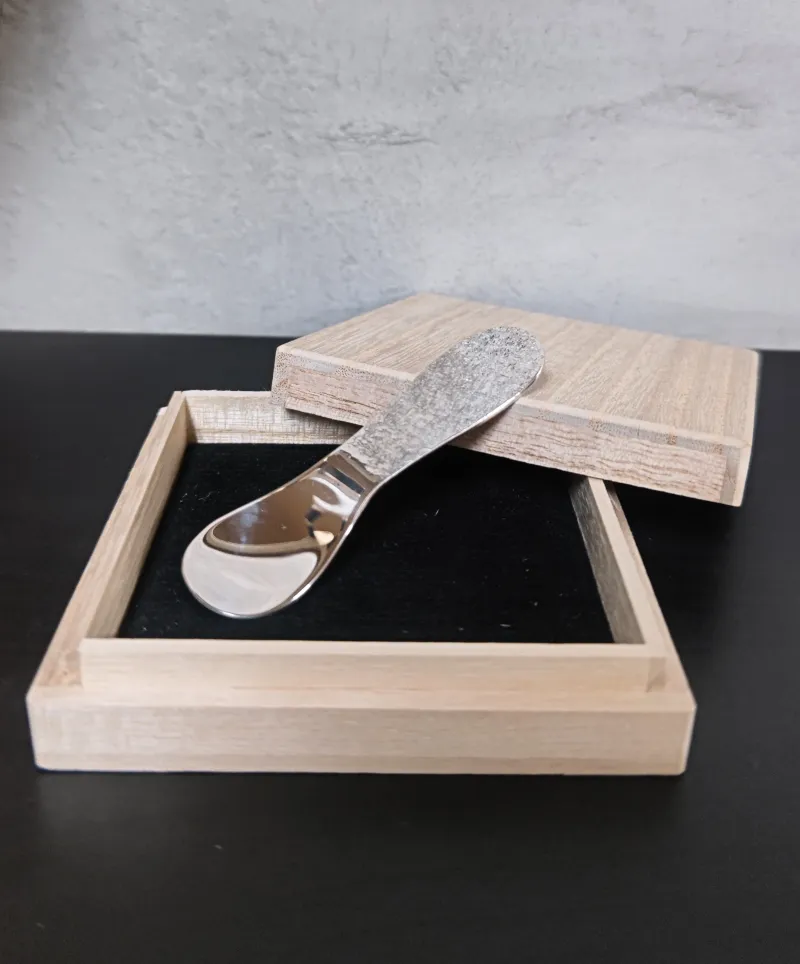
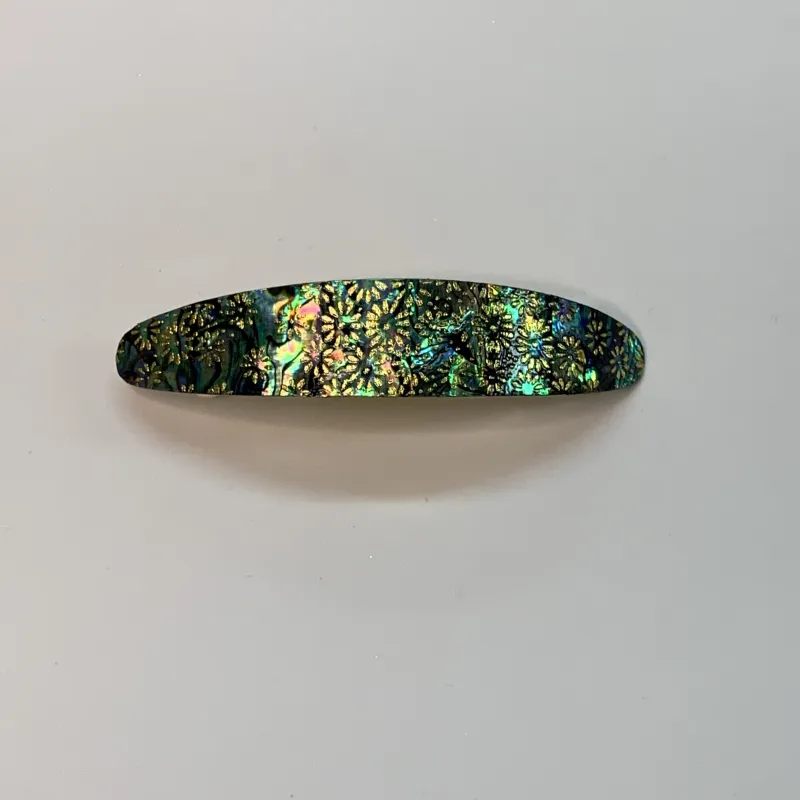
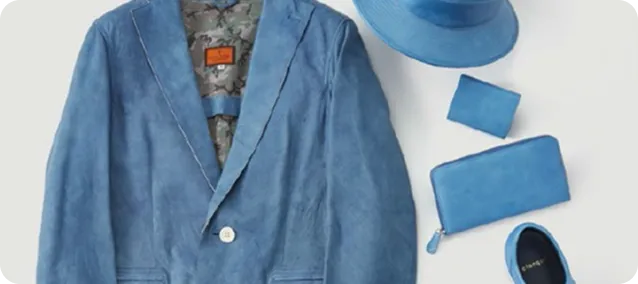
A certified traditional craftsman of Kyoto uchikake (Japanese bridal kimono) has applied his kimono-making techniques to create a variety of works.
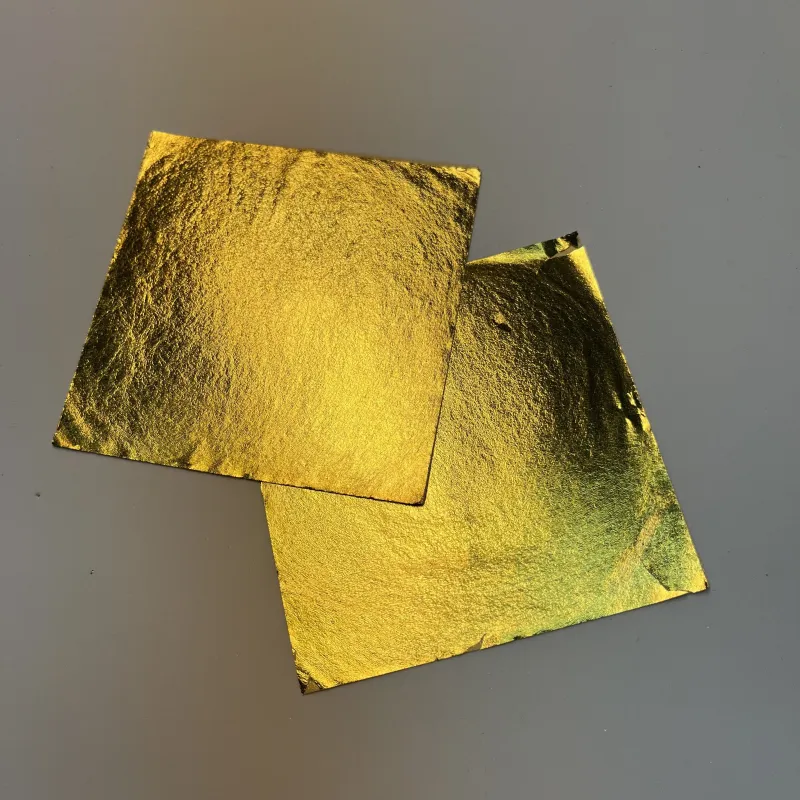
While carrying on Japanese traditional crafts such as kinsai (gold-leaf decoration) and raden (mother-of-pearl inlay), he also blends in his own techniques to create original works.
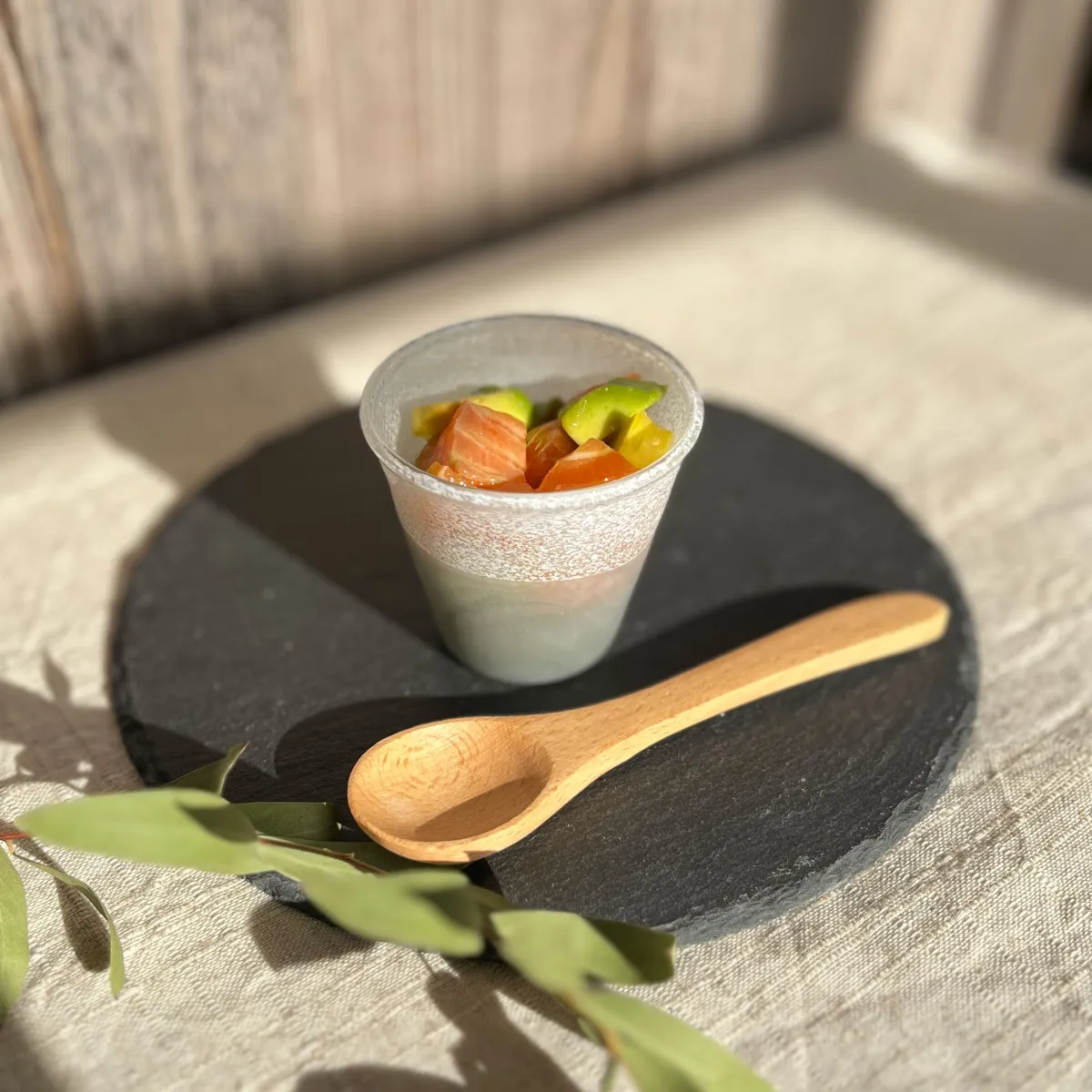
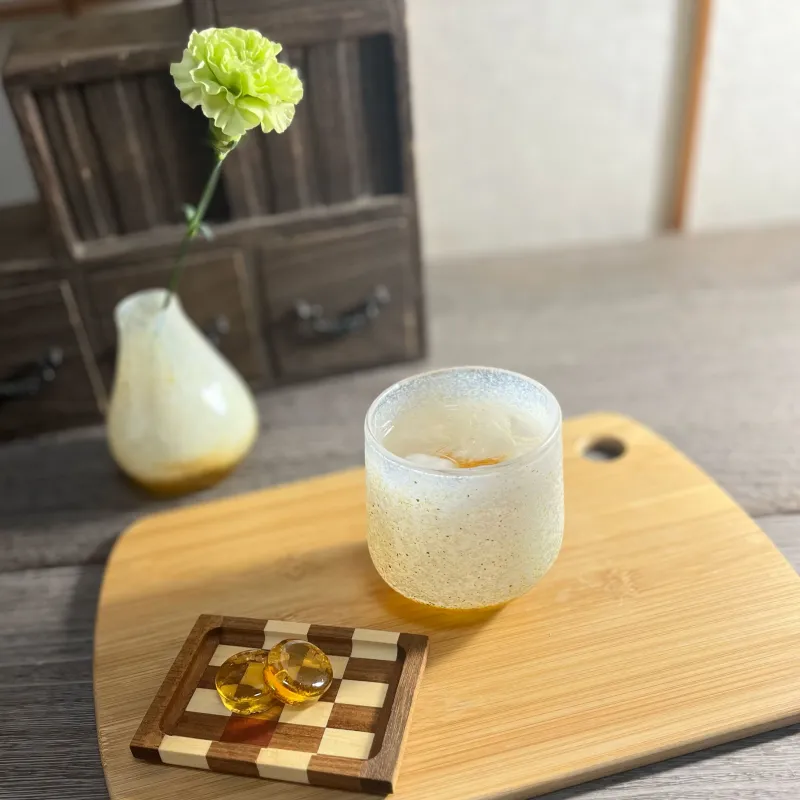
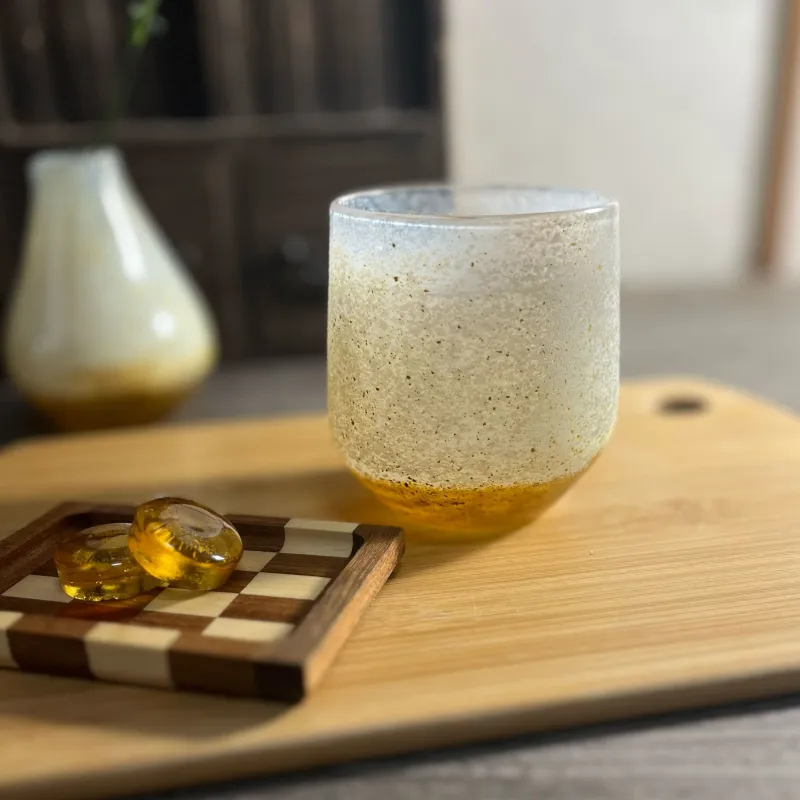
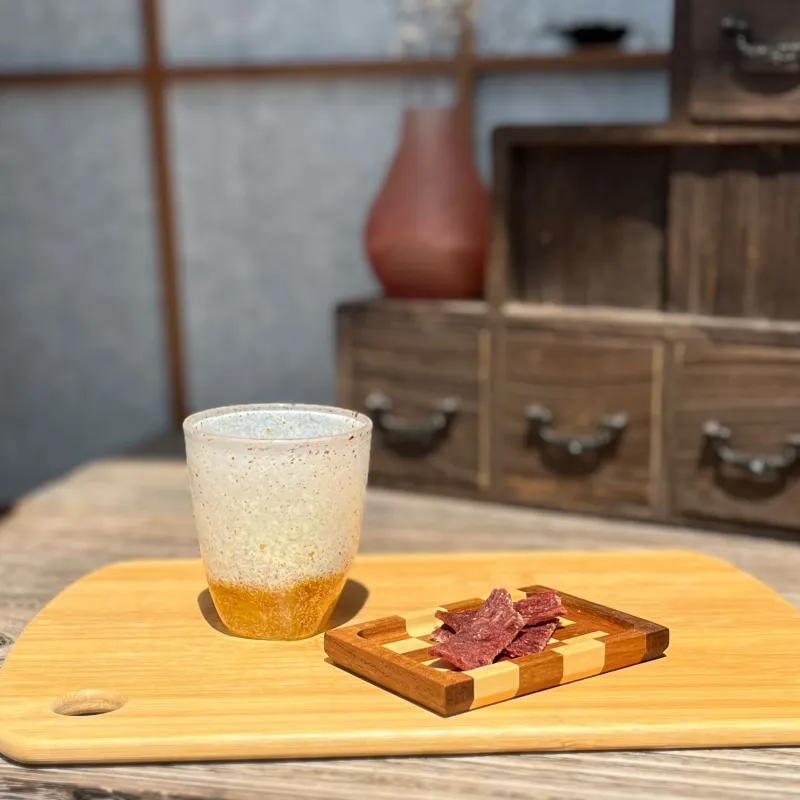
Born in Matsumoto, Nagano, in 1988. After studying at the Tokyo Glass Art Institute and elsewhere, Ishibashi has been working in Saitama since 2015.
The guiding words are “color for everyday life.” From small bowls and sake cups for the table to seasonal decorations such as hina dolls and kagami-mochi, everything is made of glass.
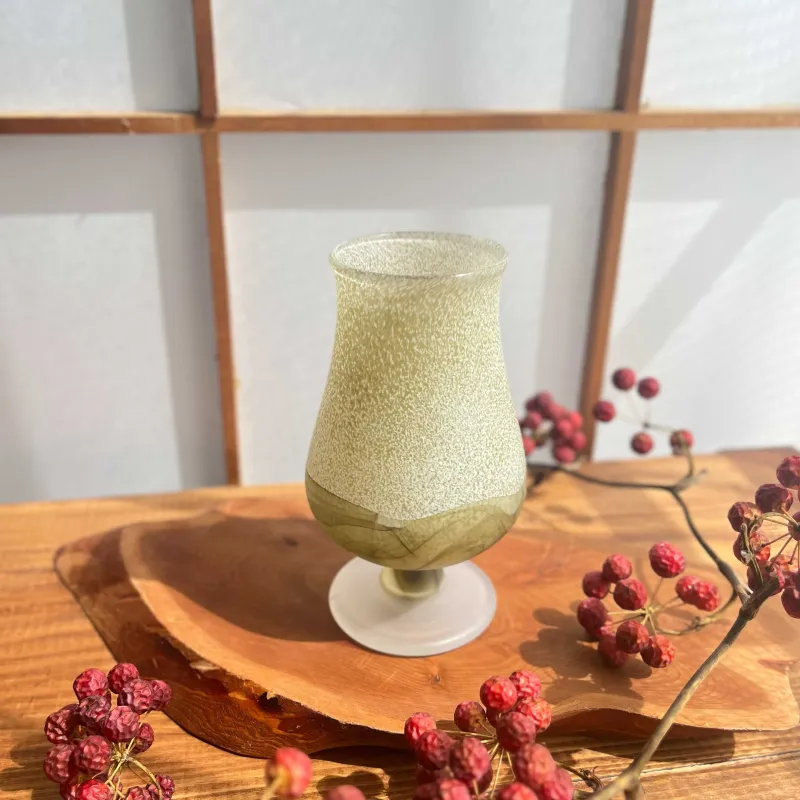
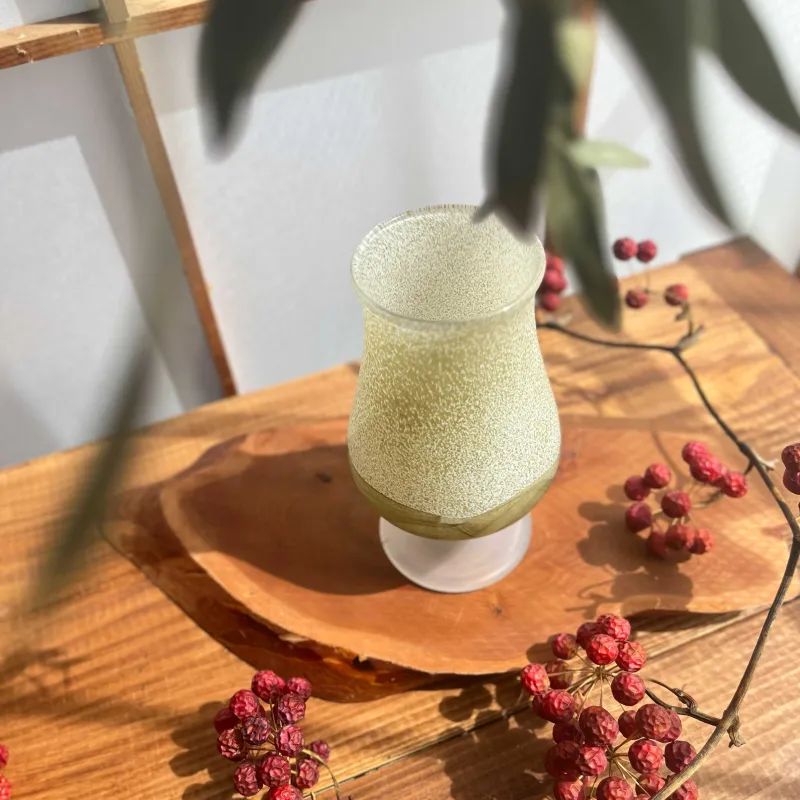
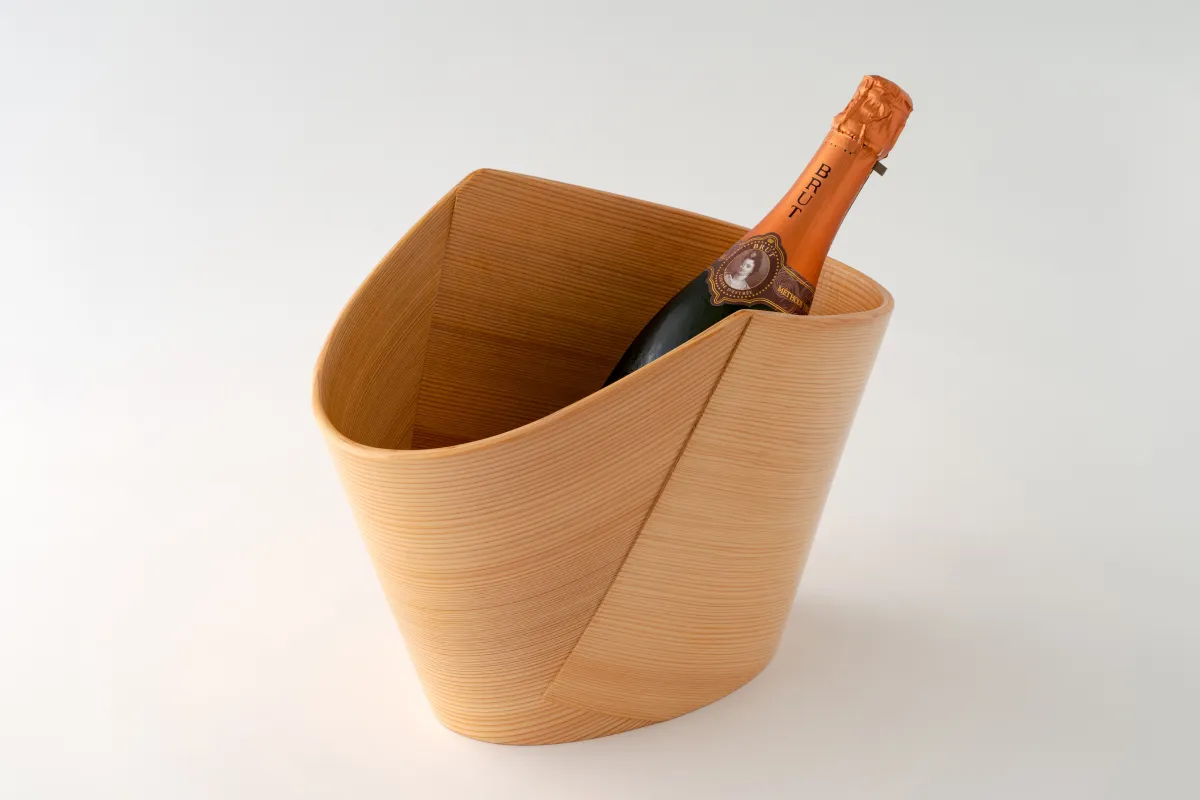
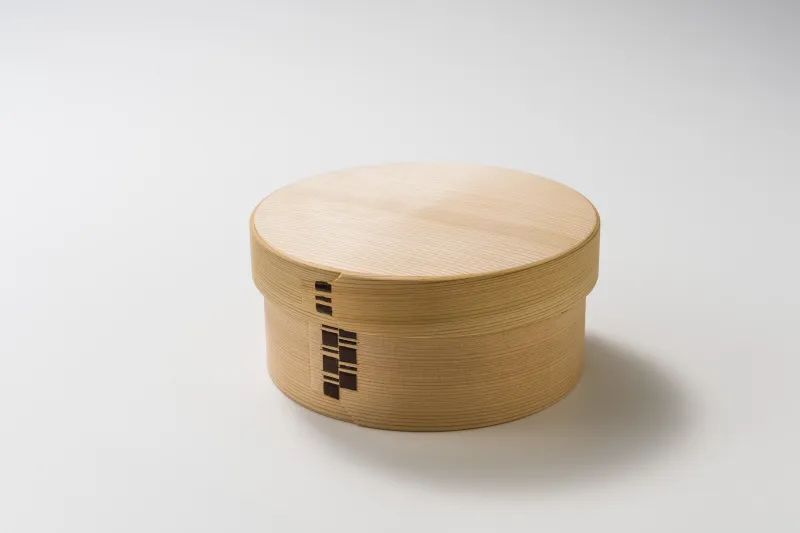
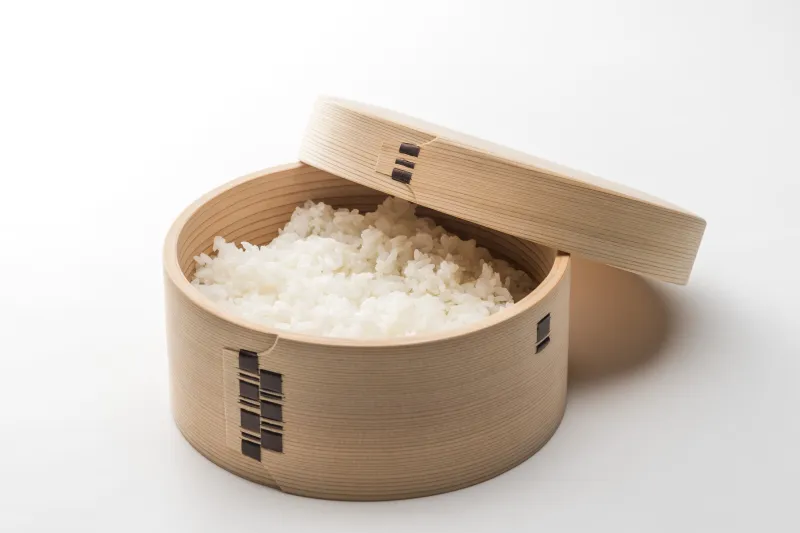
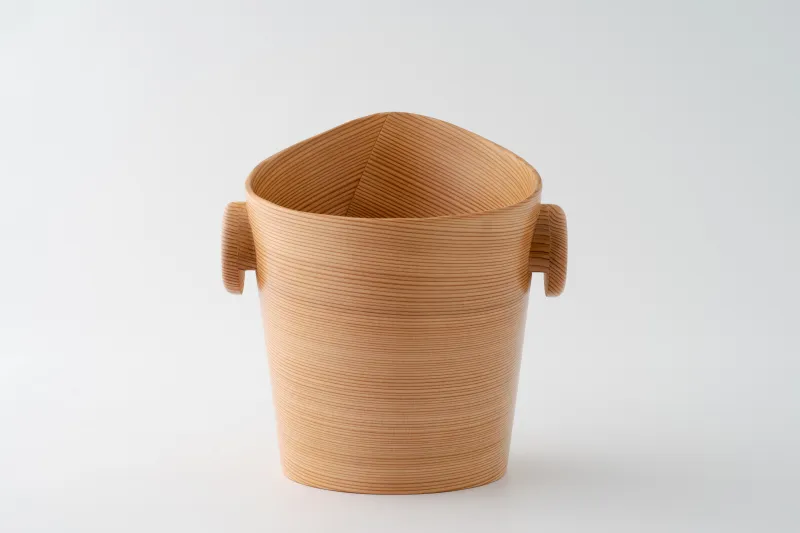
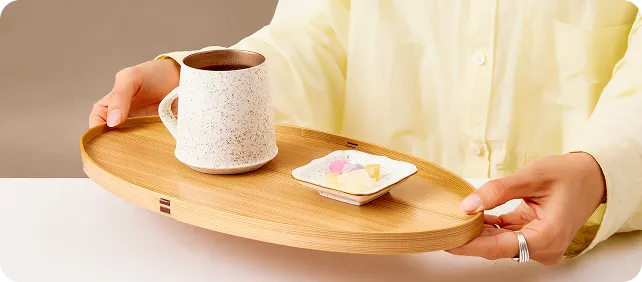
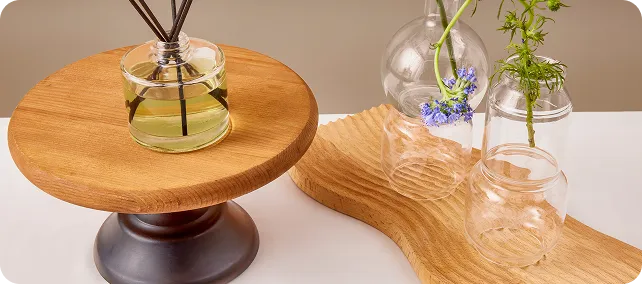
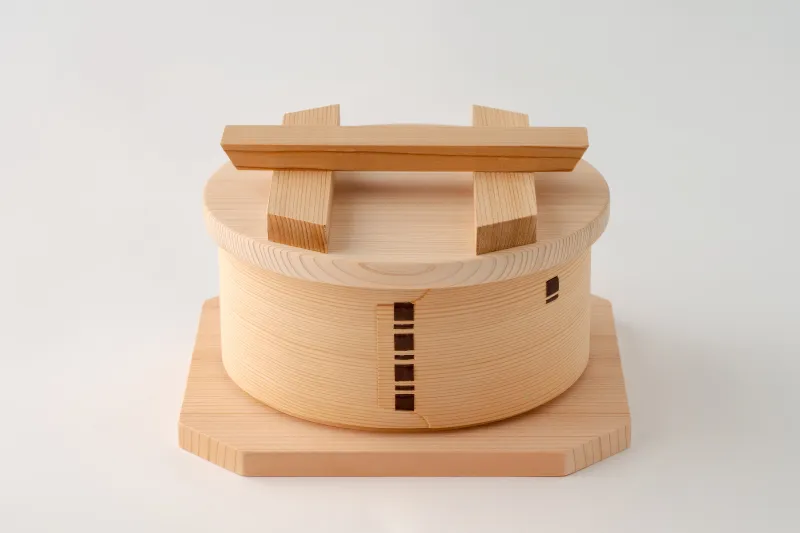
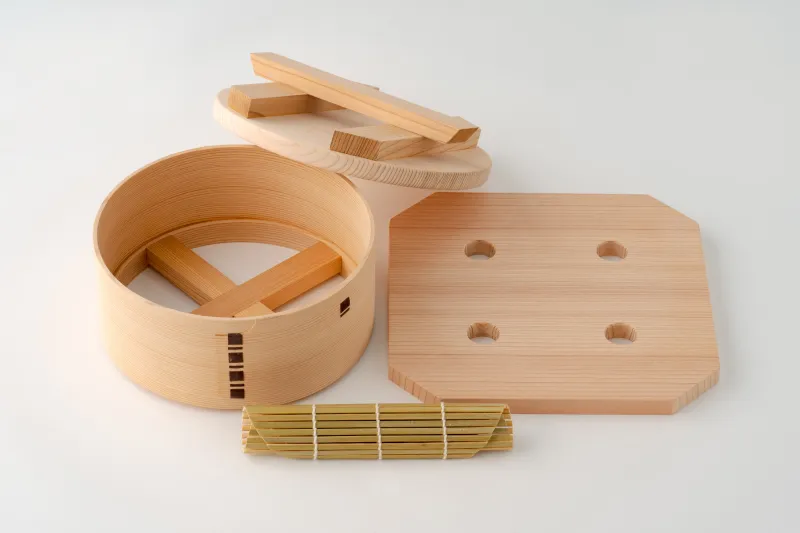
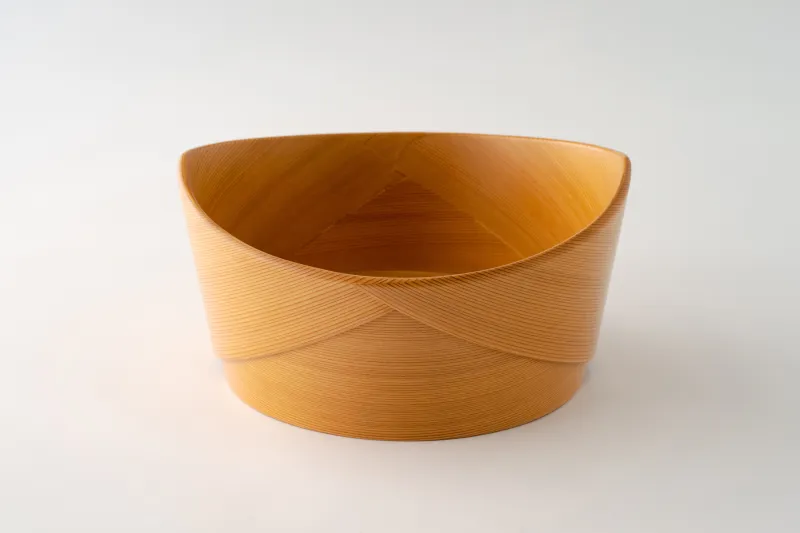
A magewappa (bentwood) workshop in Odate, Akita Prefecture.
From everyday kitchen tools such as ohitsu rice containers and seiro steamers to fruit bowls and wine coolers, all made in the magewappa style.
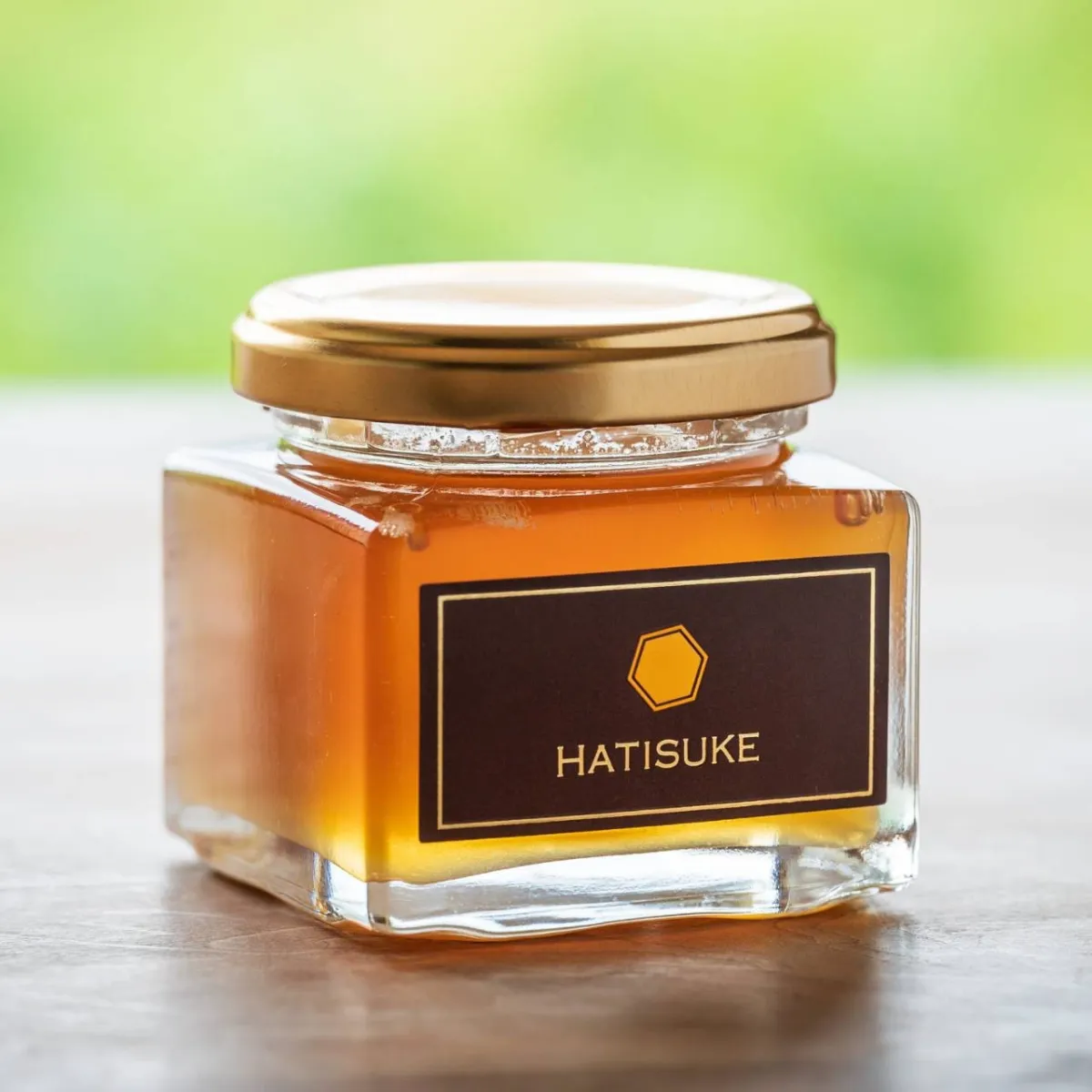
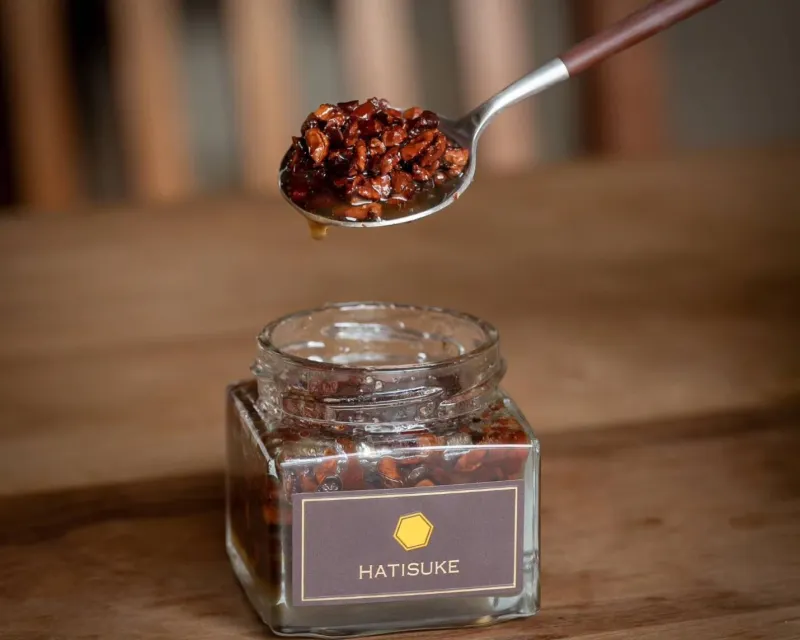
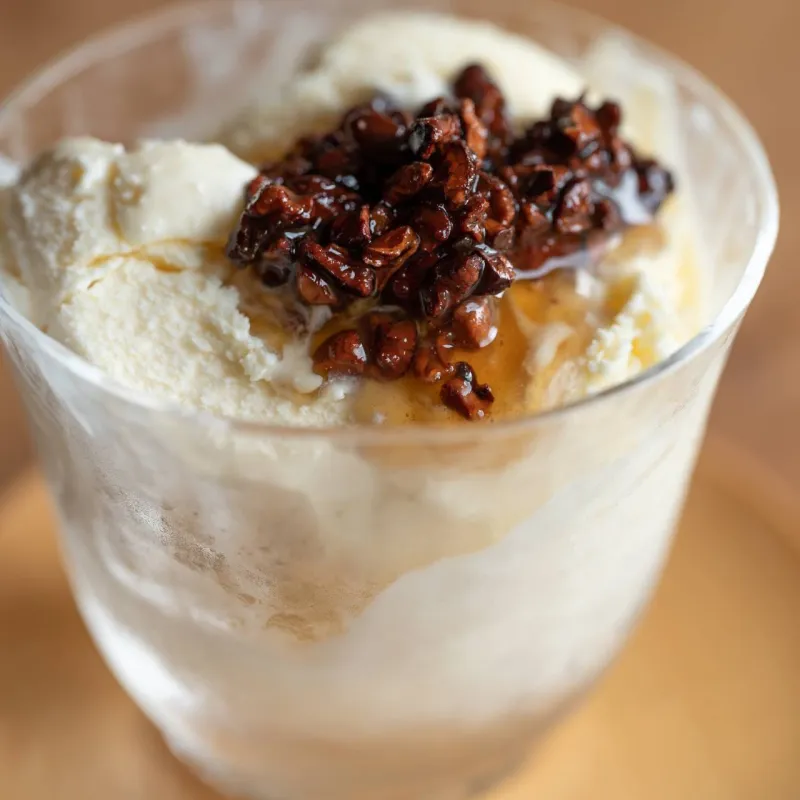
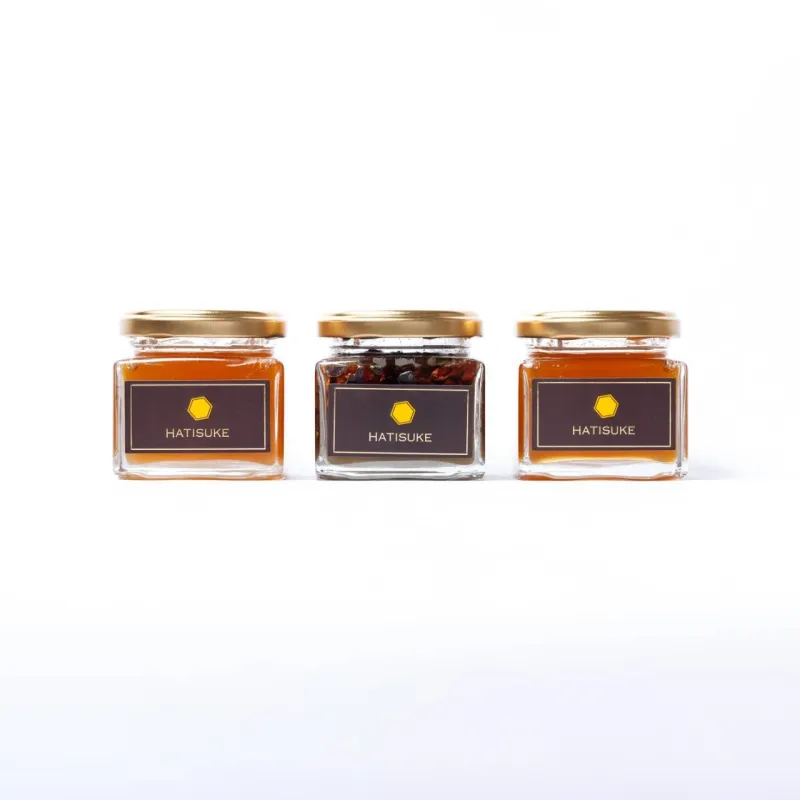
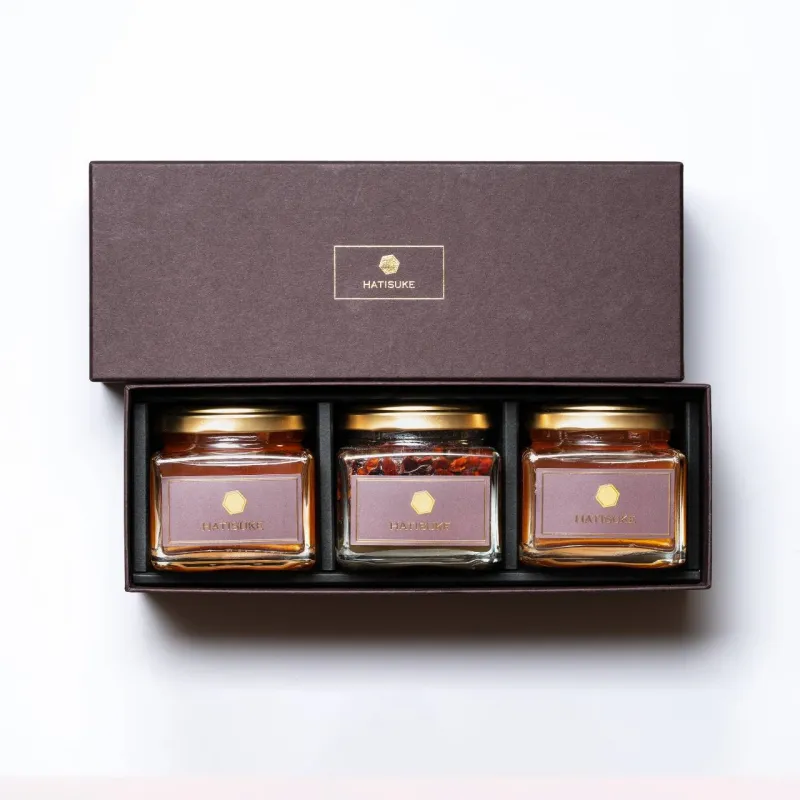
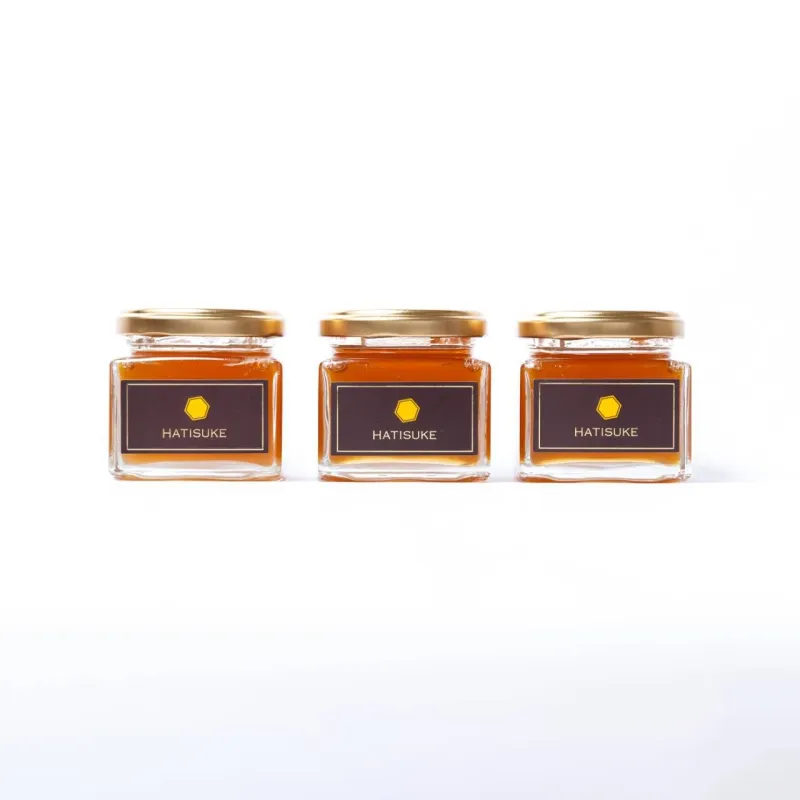
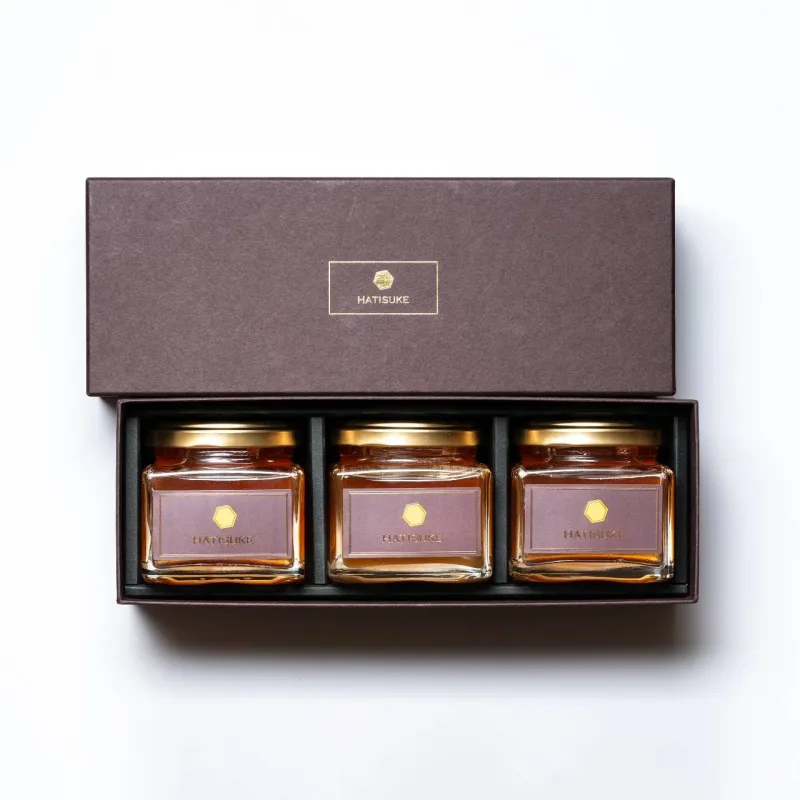
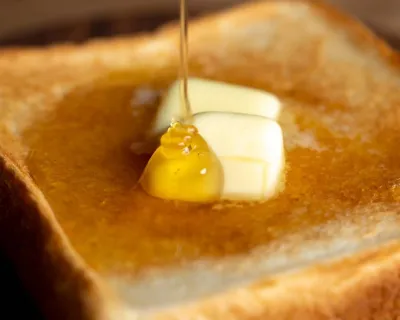
Multi-floral honey gathered over a whole year by Japanese honeybees in the hills and fields of Kyoto.
The bees are raised without chemicals and the honey is harvested only once a year. It is not heated: the honey that drips from the comb is bottled just as it is.
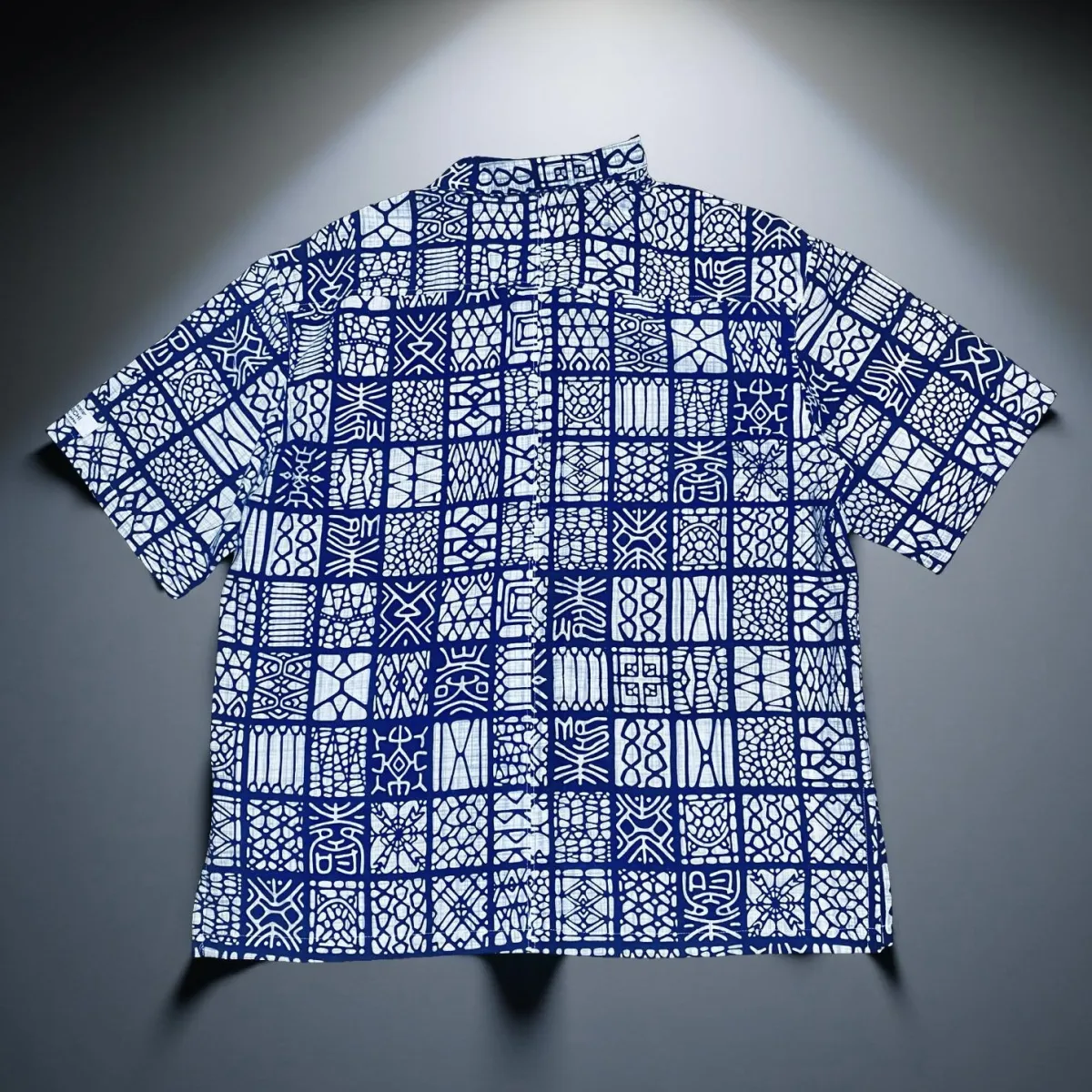
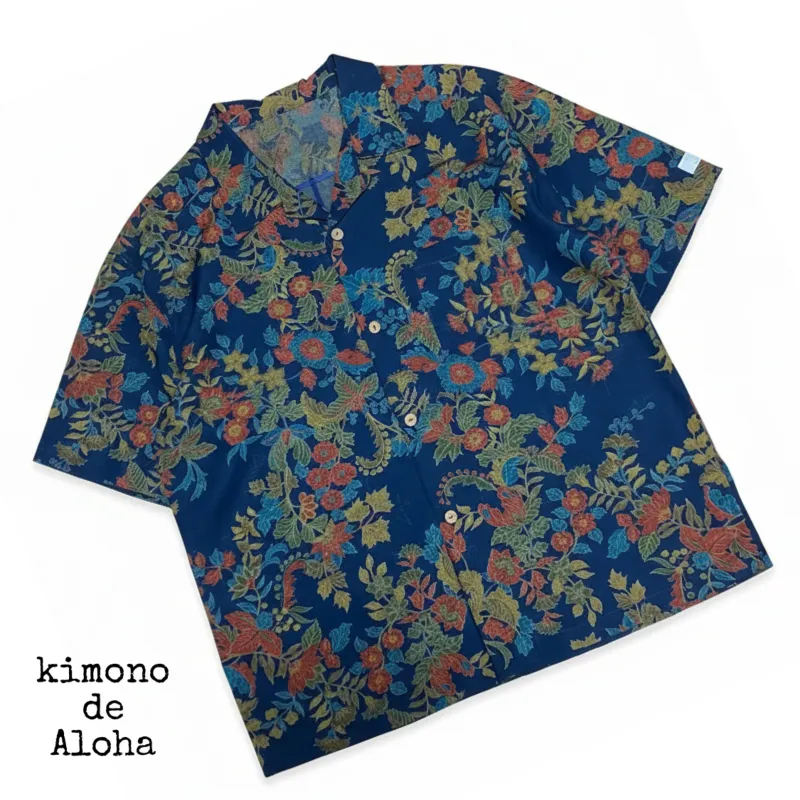
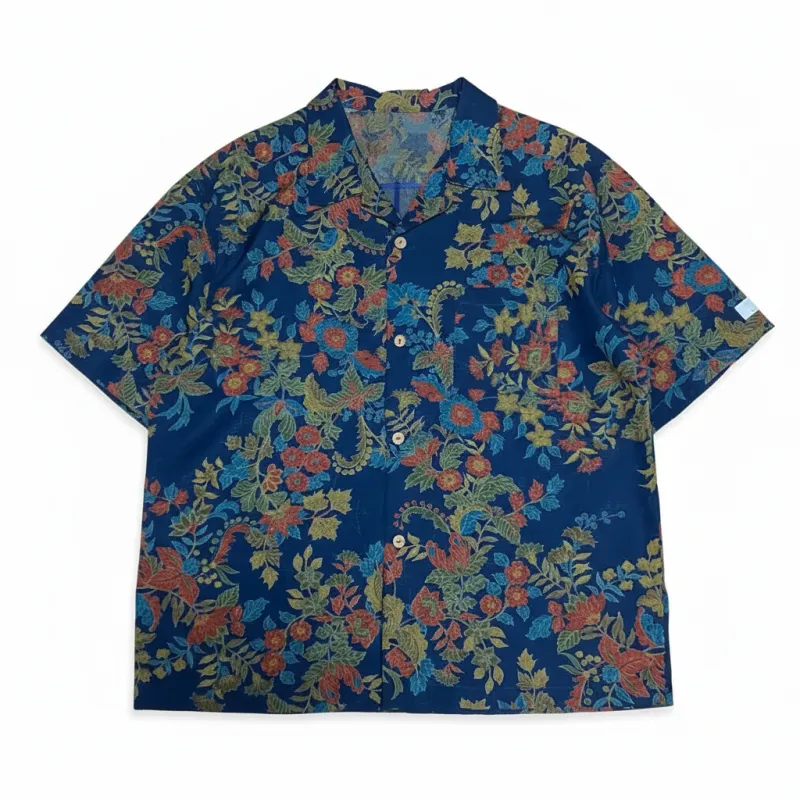
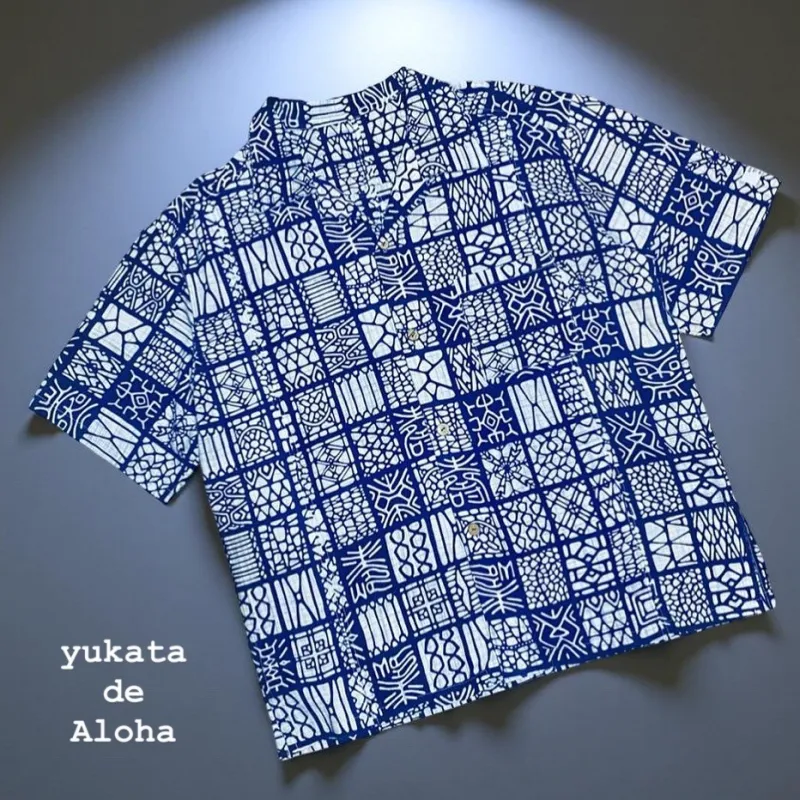
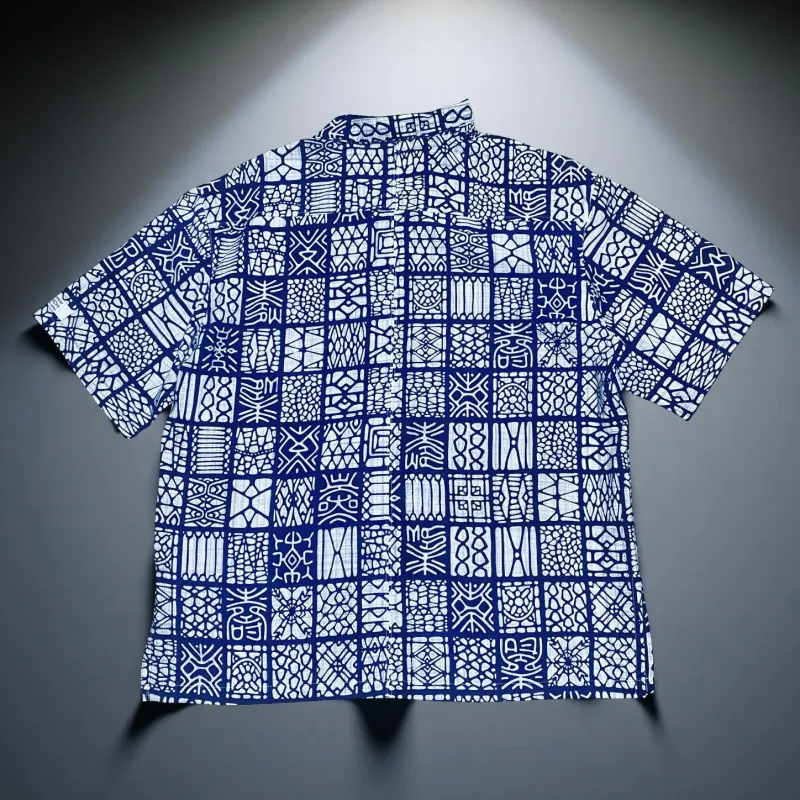
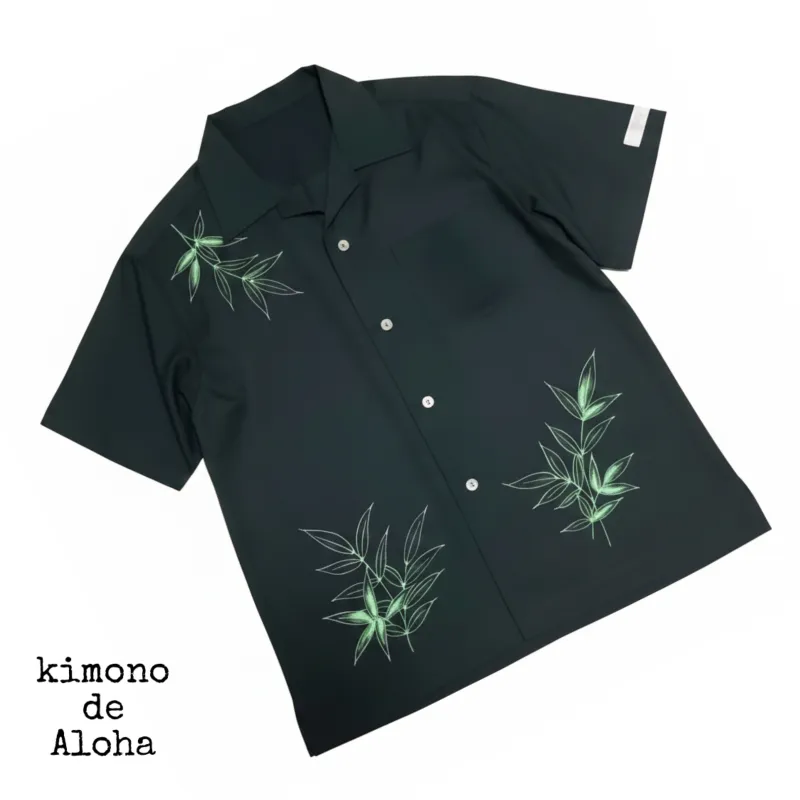
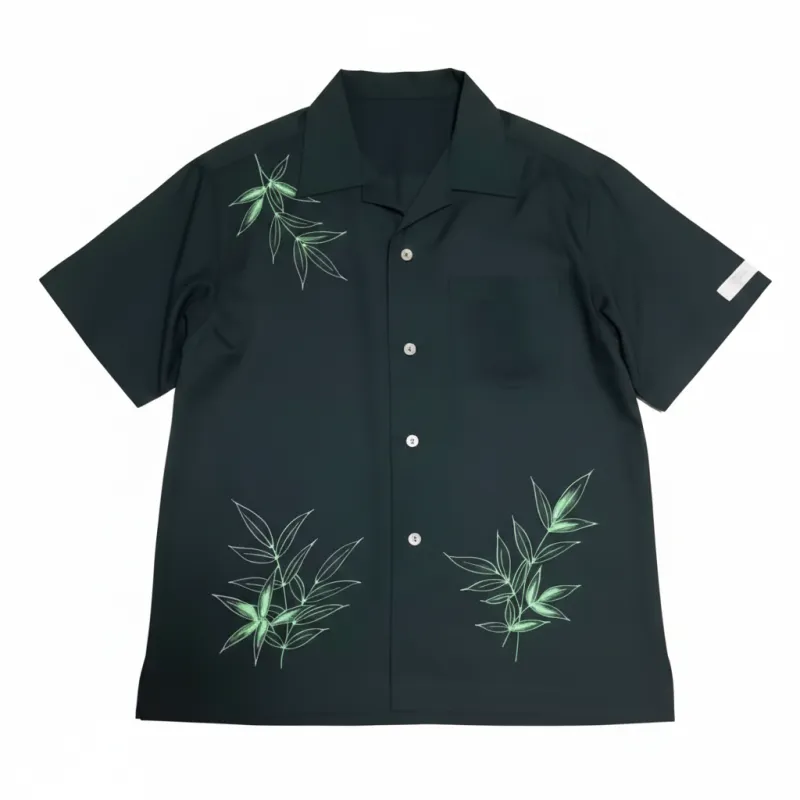
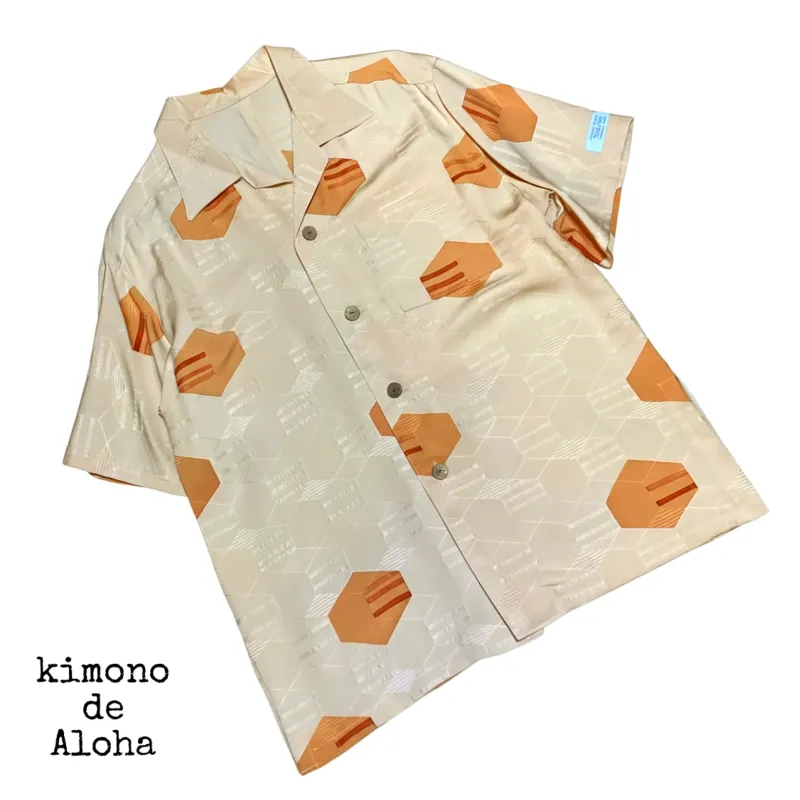
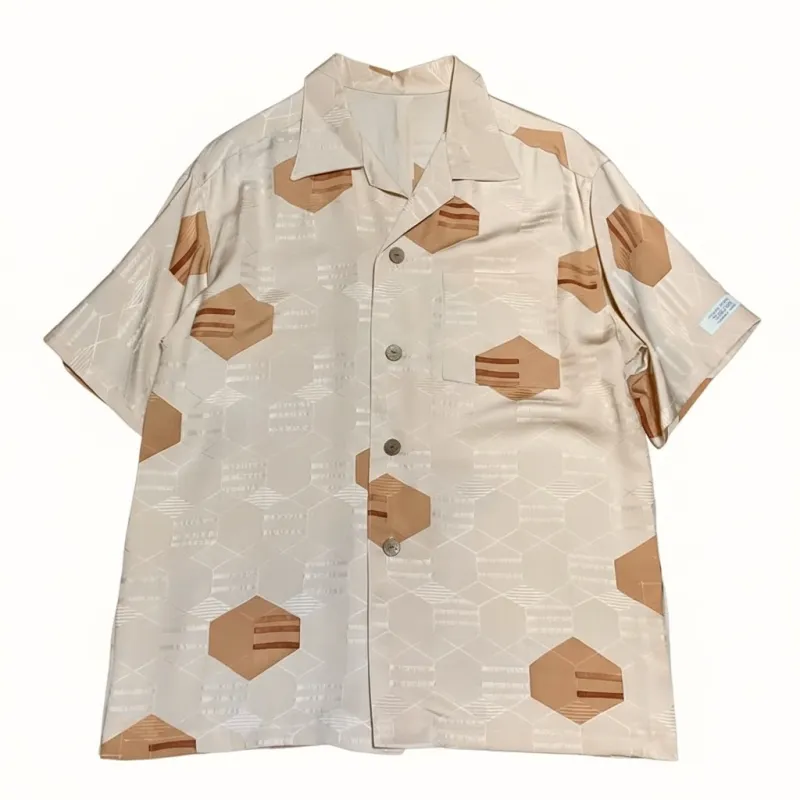
An atelier that makes aloha shirts from kimono and yukata that are no longer worn. After 28 years, the shop closed when the area was redeveloped, and it now carries on as an atelier in a new location.
Washers wash, unpickers take apart and tailors sew. Passing through many hands, each kimono becomes an aloha shirt, one at a time.
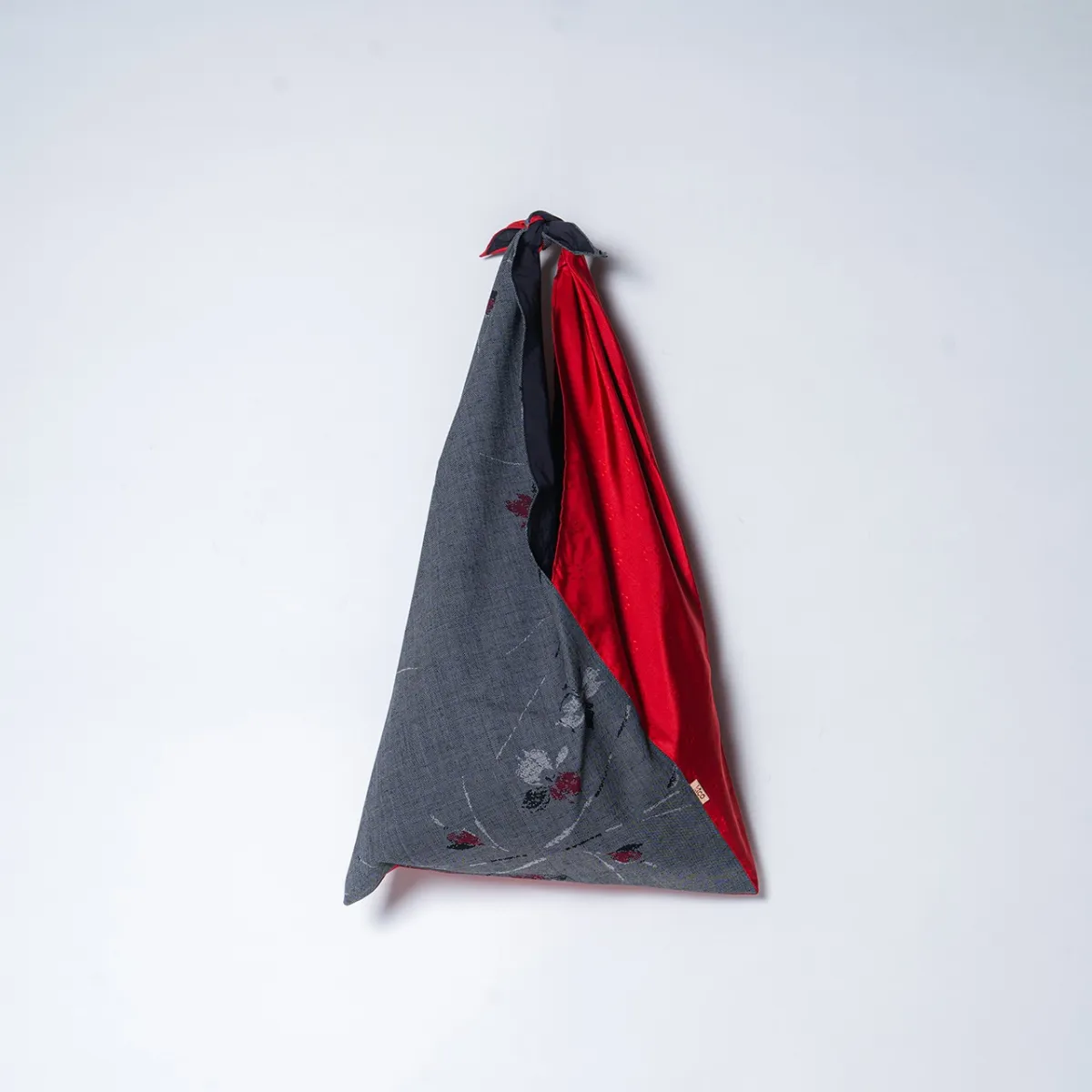
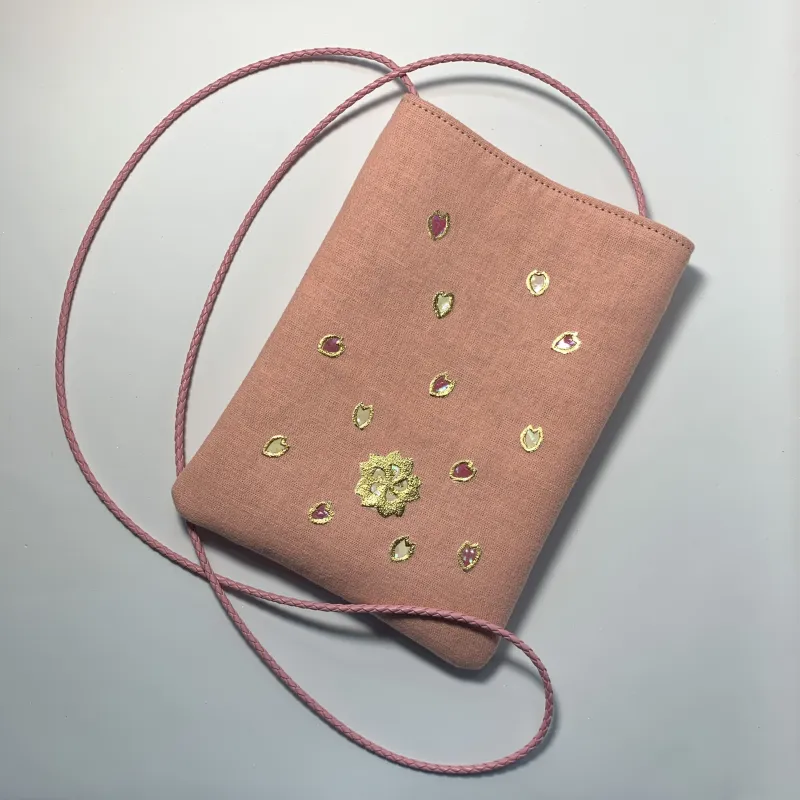
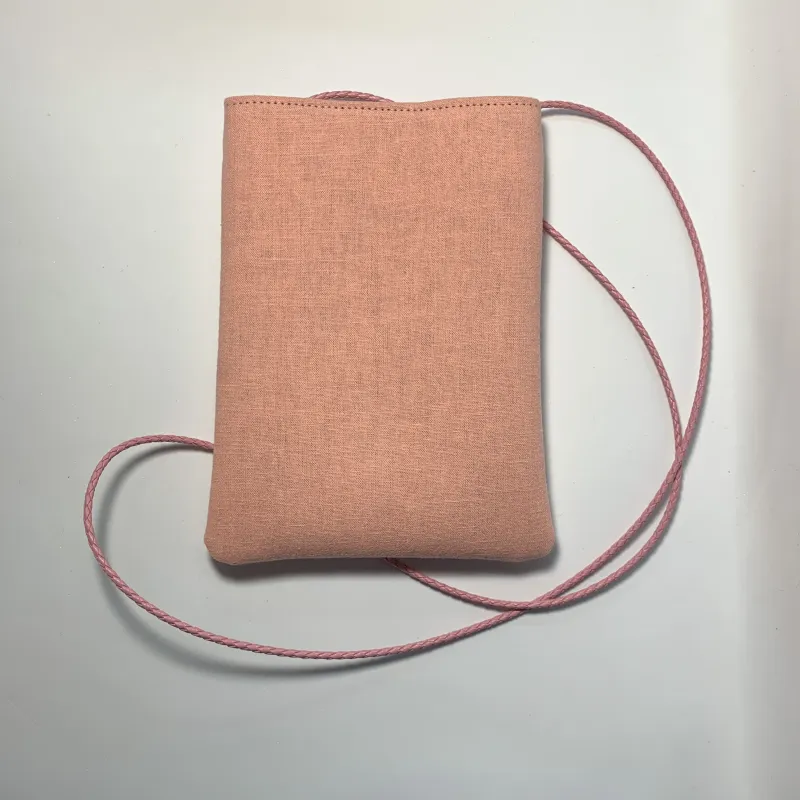
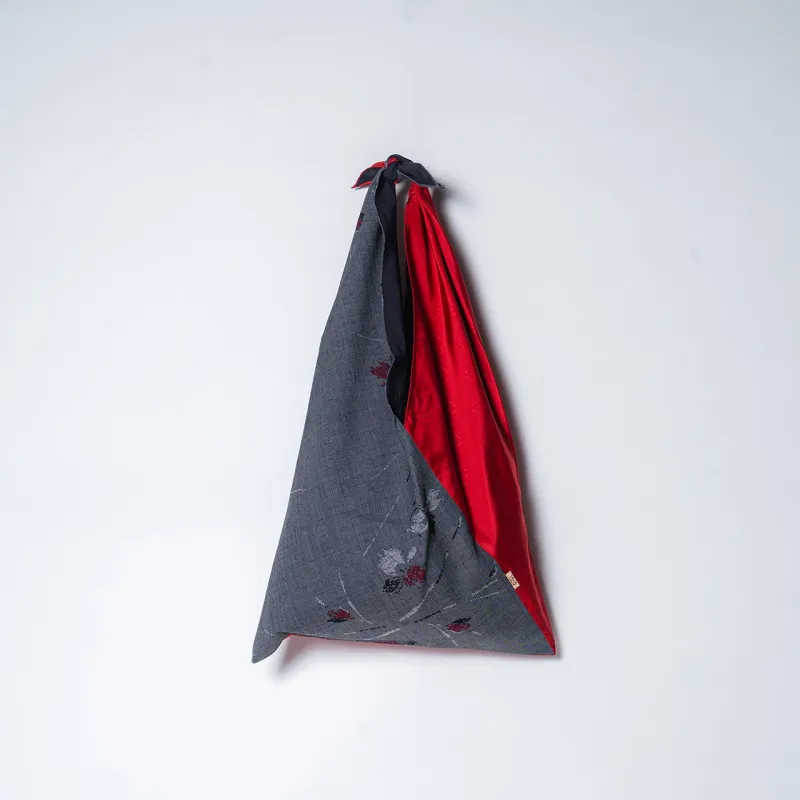
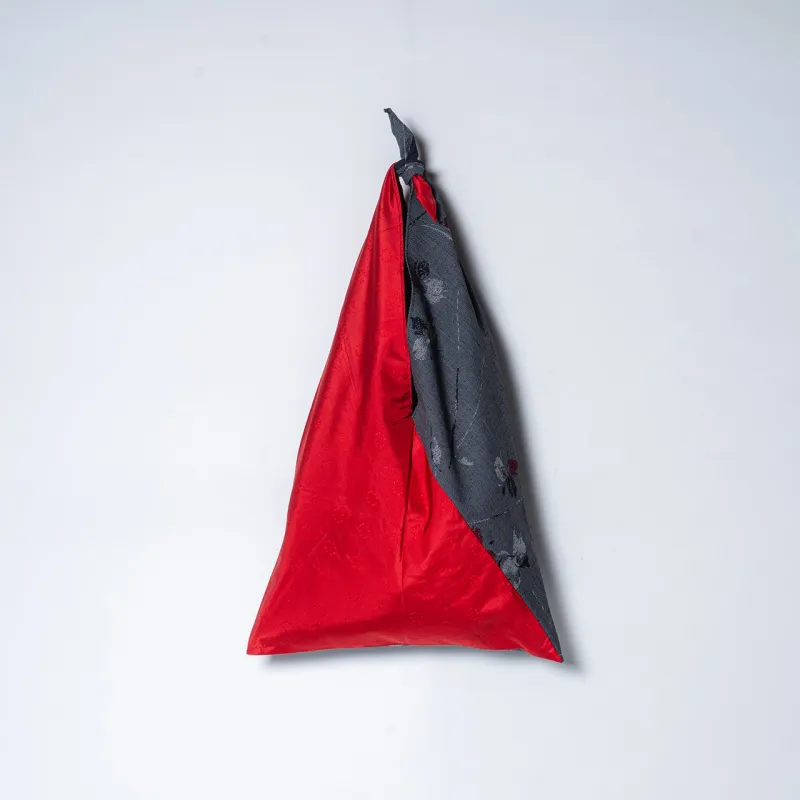
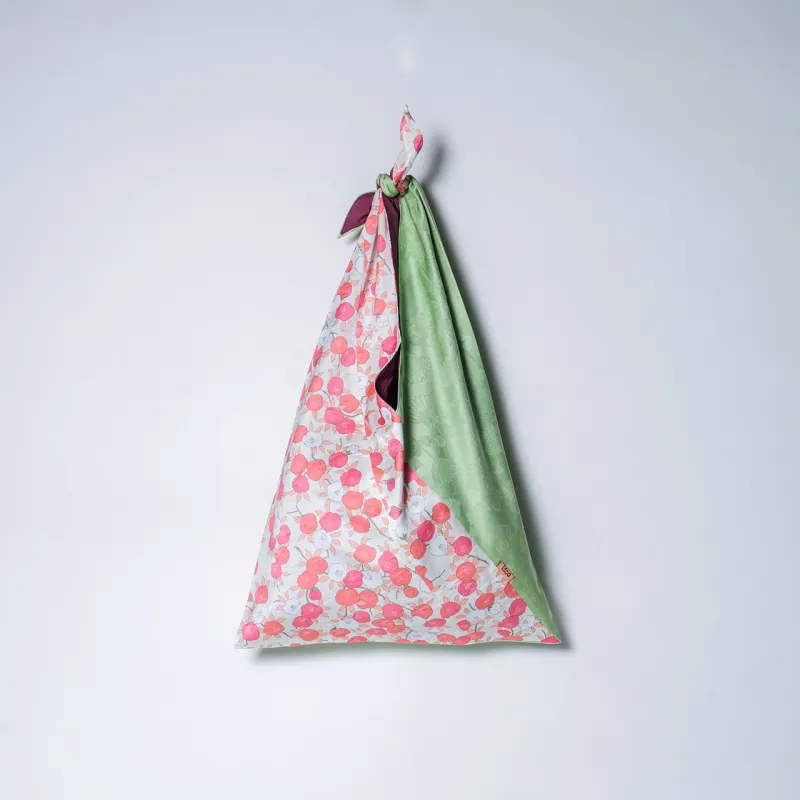
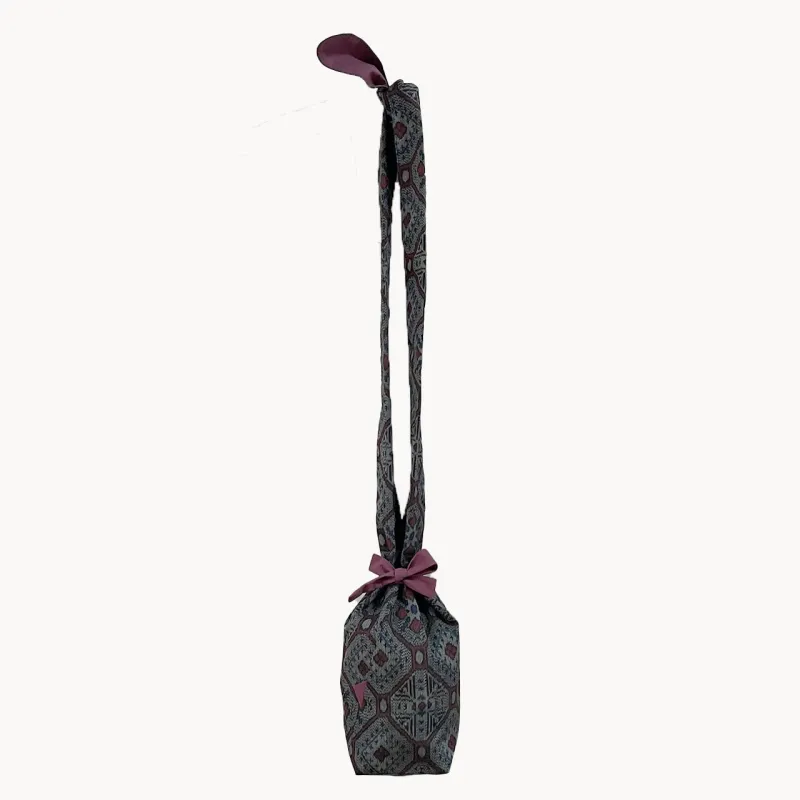
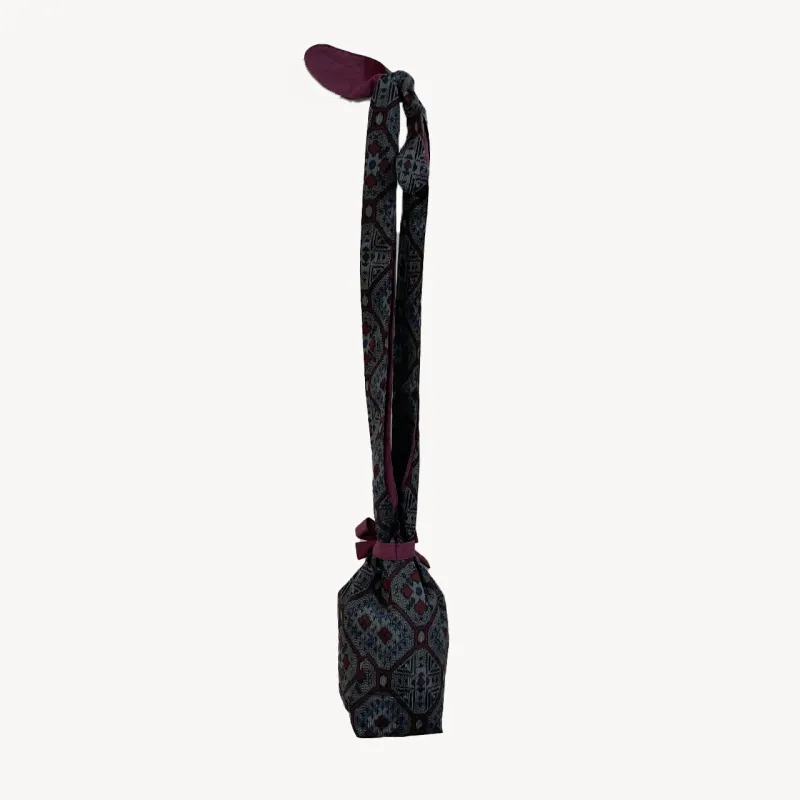
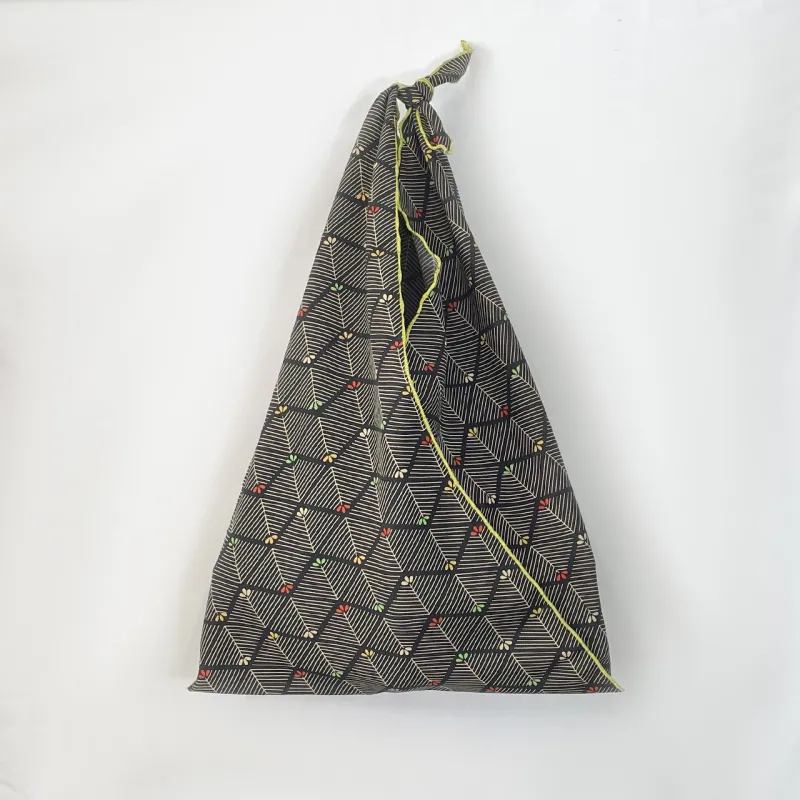
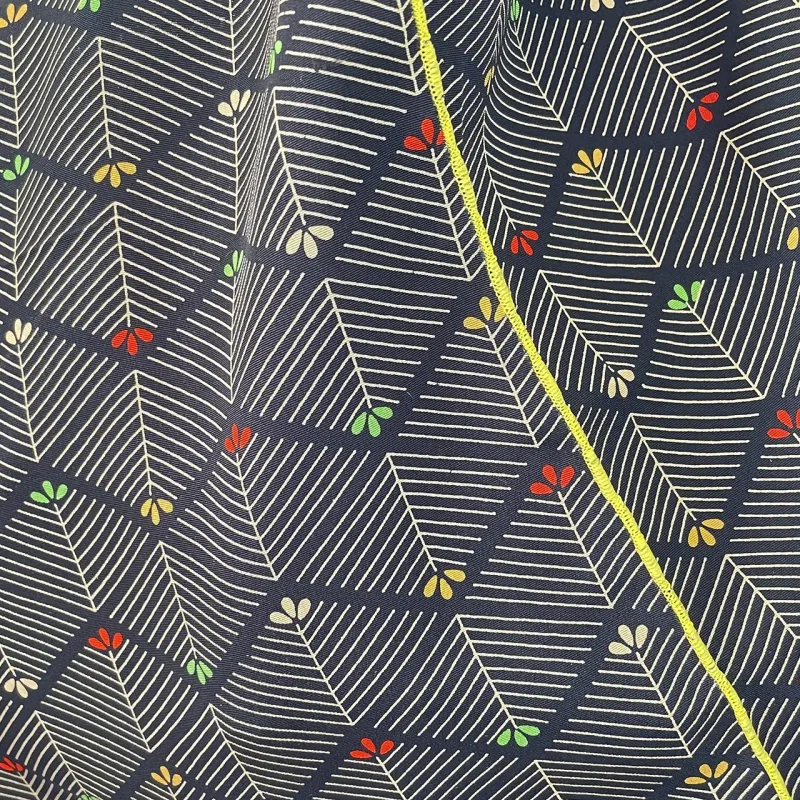
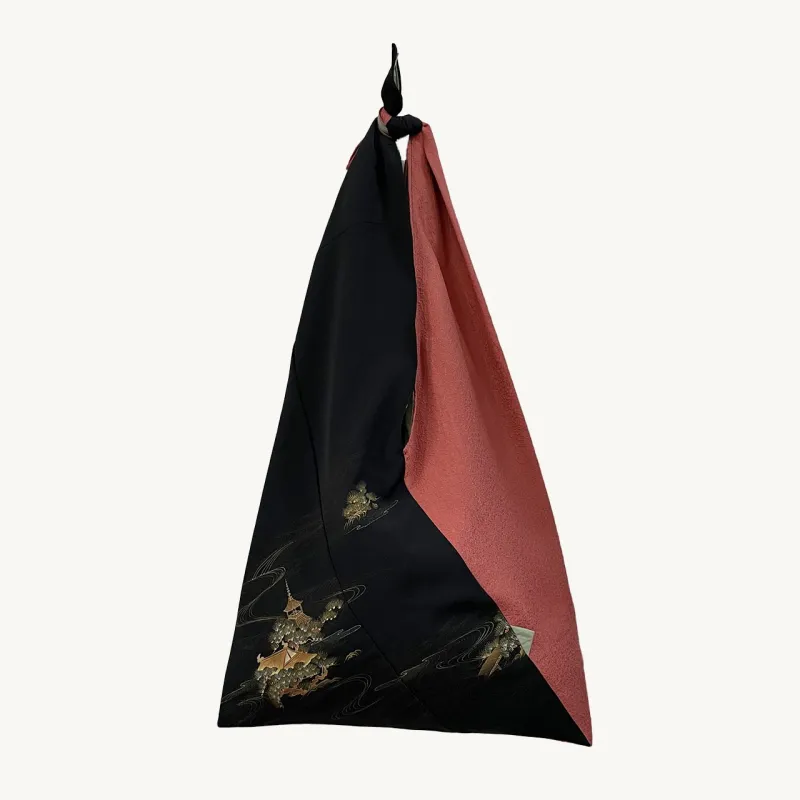
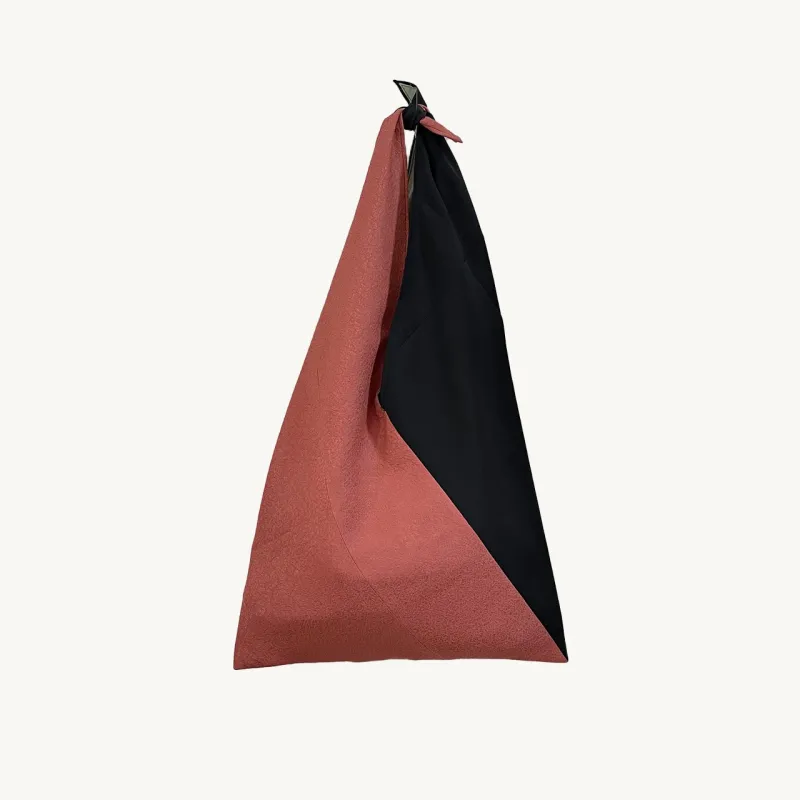
kico reproduces the traditional azuma bag for modern times, using kimono — a Japanese treasure lying dormant throughout the country. The azuma bag is said to have begun in the Edo period, when townspeople who admired Western bags imitated them with furoshiki and tenugui.
There are two kinds: all-over patterns made from one kimono, and two-tone bags that combine two kimono. Only one or one and a half bags can be made from a single kimono, so almost no two are alike — each one is one of a kind.
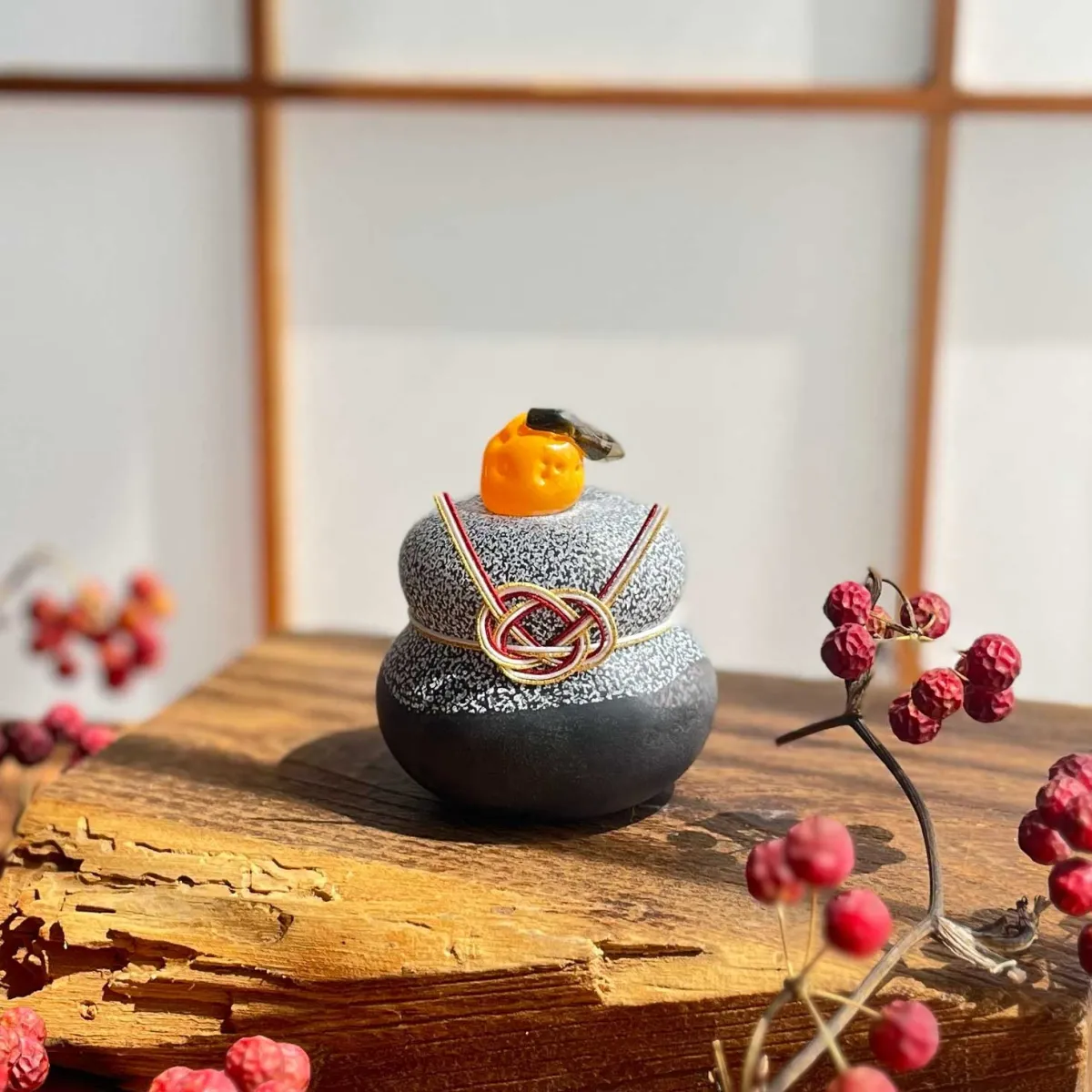
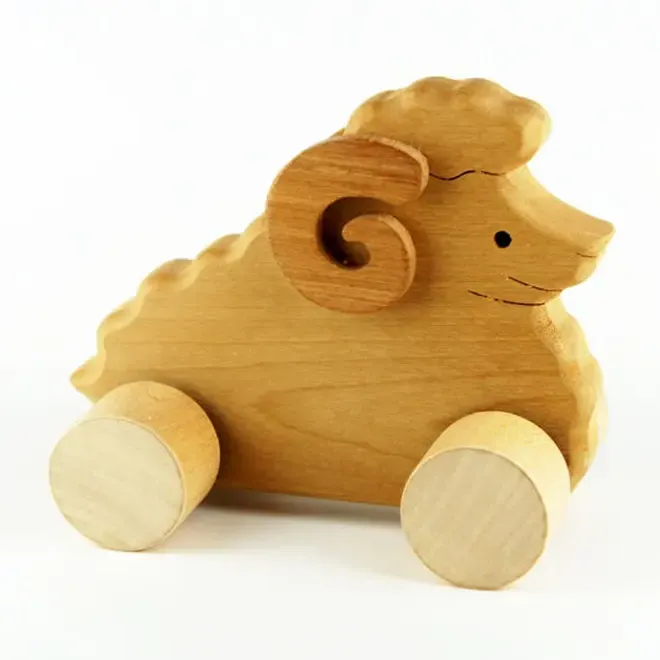
Kagami-mochi and zodiac decorations, and gifts to bring on New Year visits. Prepare for a Japanese New Year with pieces from our makers.
See every item in each price range.
Japanese handwork, by technique and material.

Rent a dress made from a wedding kimono, kimono or obi. For anniversary photos and parties.
See experiences and rentalsWorkshops, artists, sake breweries and producers from all over Japan sell their goods here.





Legal notice (Specified Commercial Transactions Act)Contact form
ITOSHIO is an online mall for Japanese brands, crafts and regional specialties, operated by ITOSHIO Inc.
Handmade Japanese glass cups, a tulip glass and small bowls by a Saitama glass artist: choosing, sizes, prices, care, and ordering from abroad via Buyee.
Choose a Japanese mother-of-pearl (raden) barrette or hair clip by shape and shell color: Kyoto kimono-craft pieces, prices, and buying from abroad.
What an ohitsu does, which size to choose and how to care for it: a guide to the Japanese wooden rice container made with Odate magewappa bentwood.
| Size | US | Bust | Waist | Low Hip |
|---|---|---|---|---|
| XS | 2 | 32 | 24 - 25 | 33 - 34 |
| S | 4 | 34 - 35 | 26 - 27 | 35 - 26 |
| M | 6 | 36 - 37 | 28 - 29 | 38 - 40 |
| L | 8 | 38 - 29 | 30 - 31 | 42 - 44 |
| XL | 10 | 40 - 41 | 32 - 33 | 45 - 47 |
| XXL | 12 | 42 - 43 | 34 - 35 | 48 - 50 |
Measure around the fullest part of your bust.
Measure around the narrowest part of your torso.
With your feet together measure around the fullest part of your hips/rear.